
Kacie Carter Chamberlayne of Honey Hi on Building a Nourishing Life—in and out of the Kitchen
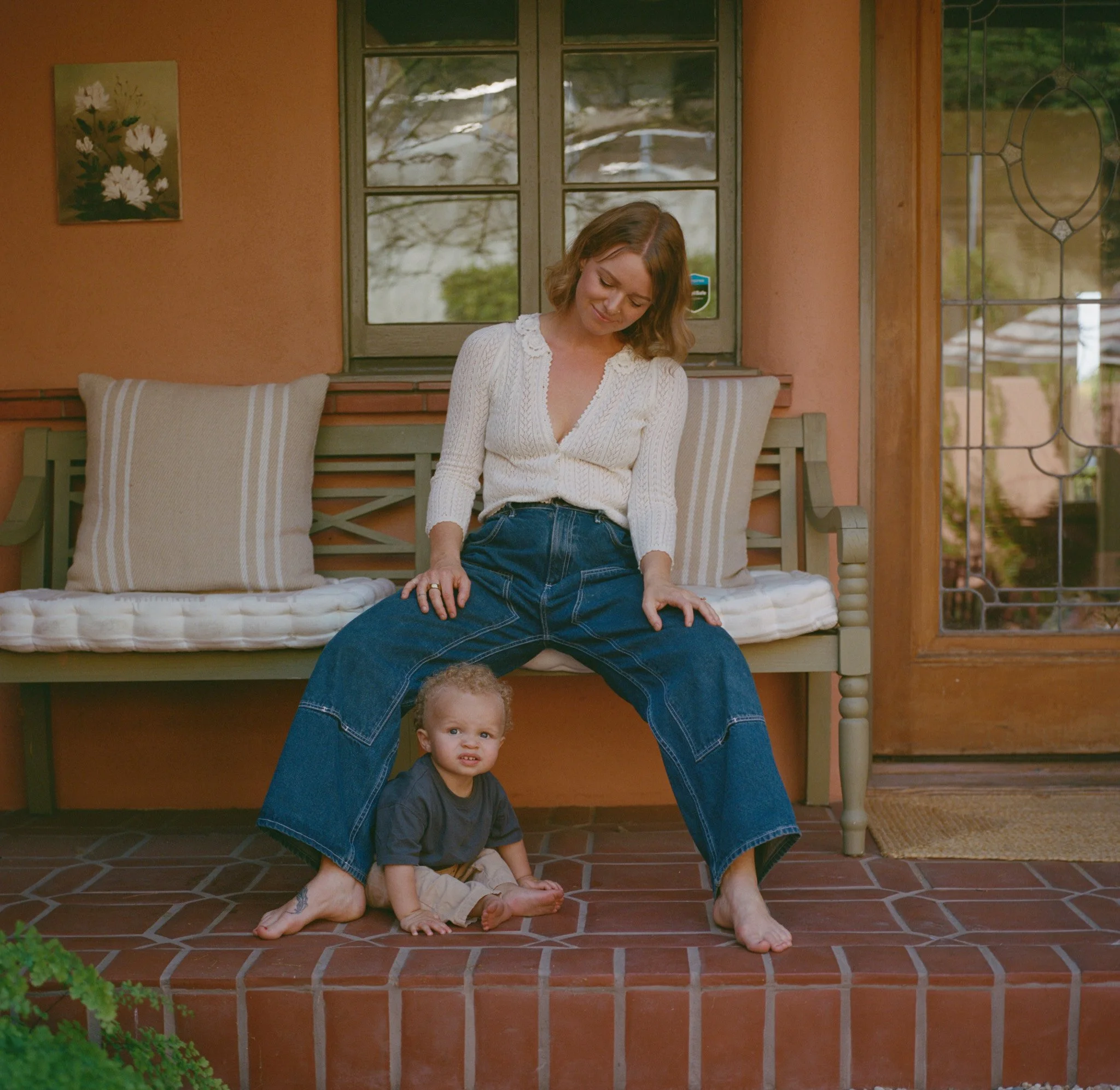
Kacie Carter Chamberlayne embodies a modern kind of superwoman, balancing creativity, purpose, and motherhood with grace—a presence shaped by intention and effort.
I’ve known Kacie for many years and had the privilege of witnessing the very beginnings of Honey Hi in Echo Park - a space rooted in deeply nourishing food and a sustainability driven ethos. I have a vivid memory from early in our friendship, in our 20s, before marriages and children: we once spent an afternoon at a Korean spa in Los Angeles, lying together in a warm Himalayan salt room, completely unguarded, sharing one of those rare, honest conversations about life and relationships. Even then, she radiated a calm, grounded presence that stayed with me.
Between running Honey Hi, guiding others as a holistic nutritionist, and navigating new motherhood, Kacie balances it all with care and intention, turning challenges like ADHD and health struggles into fuel for her creativity and purposeful work.
It’s impossible not to wonder: what moves her? How does she stay centered and inspired across so many roles while showing up with heart and focus? I’m so grateful she graciously sat down with me to explore her journey—and told me how she does it.
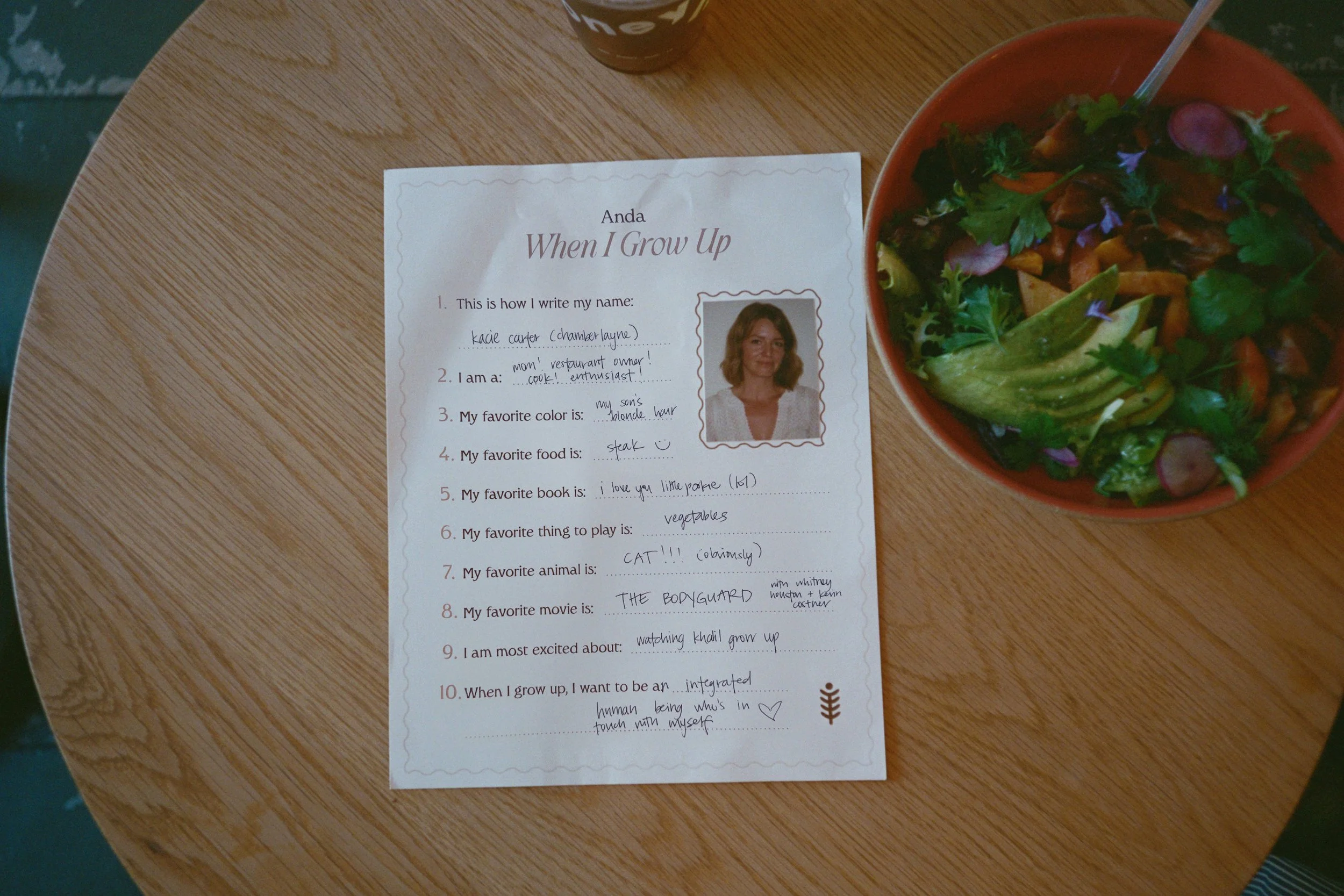
Let’s start with the same question I ask everyone: when you were a kid, what did you want to be when you grew up?
I think my earliest memory of wanting to be something was definitely centered around animals. I’ve always loved them—it’s actually the first thing I remember being truly, genuinely passionate about. I wanted to be a veterinarian because that was the clearest path I knew for working with animals.
I held onto that dream for a long time, wanting to work with animals in some way. Later, in high school, my interests expanded—I started imagining myself at the United Nations or doing some form of political work.
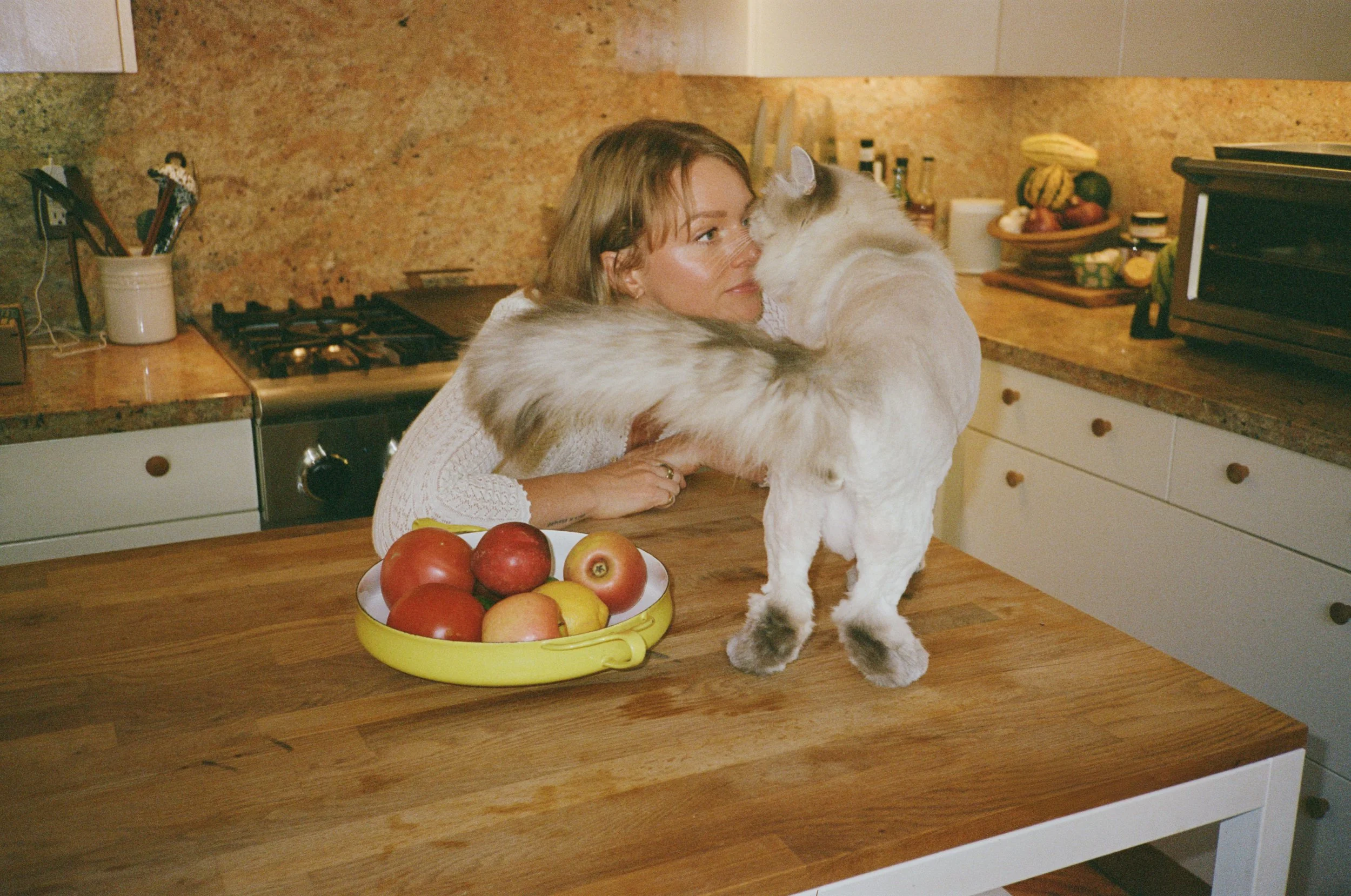
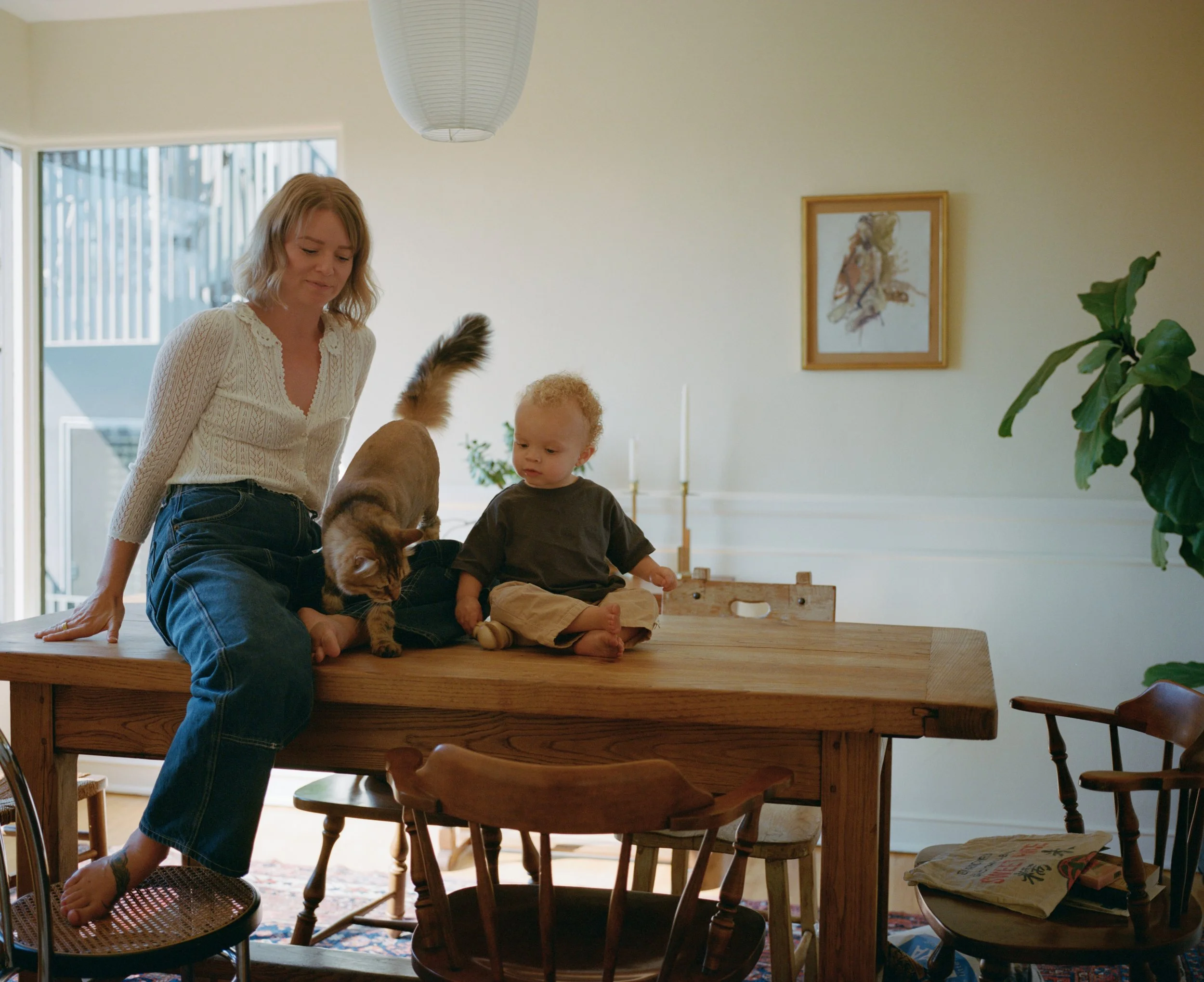
Kacie with her longtime companion, Kevin, in her Los Angeles home.
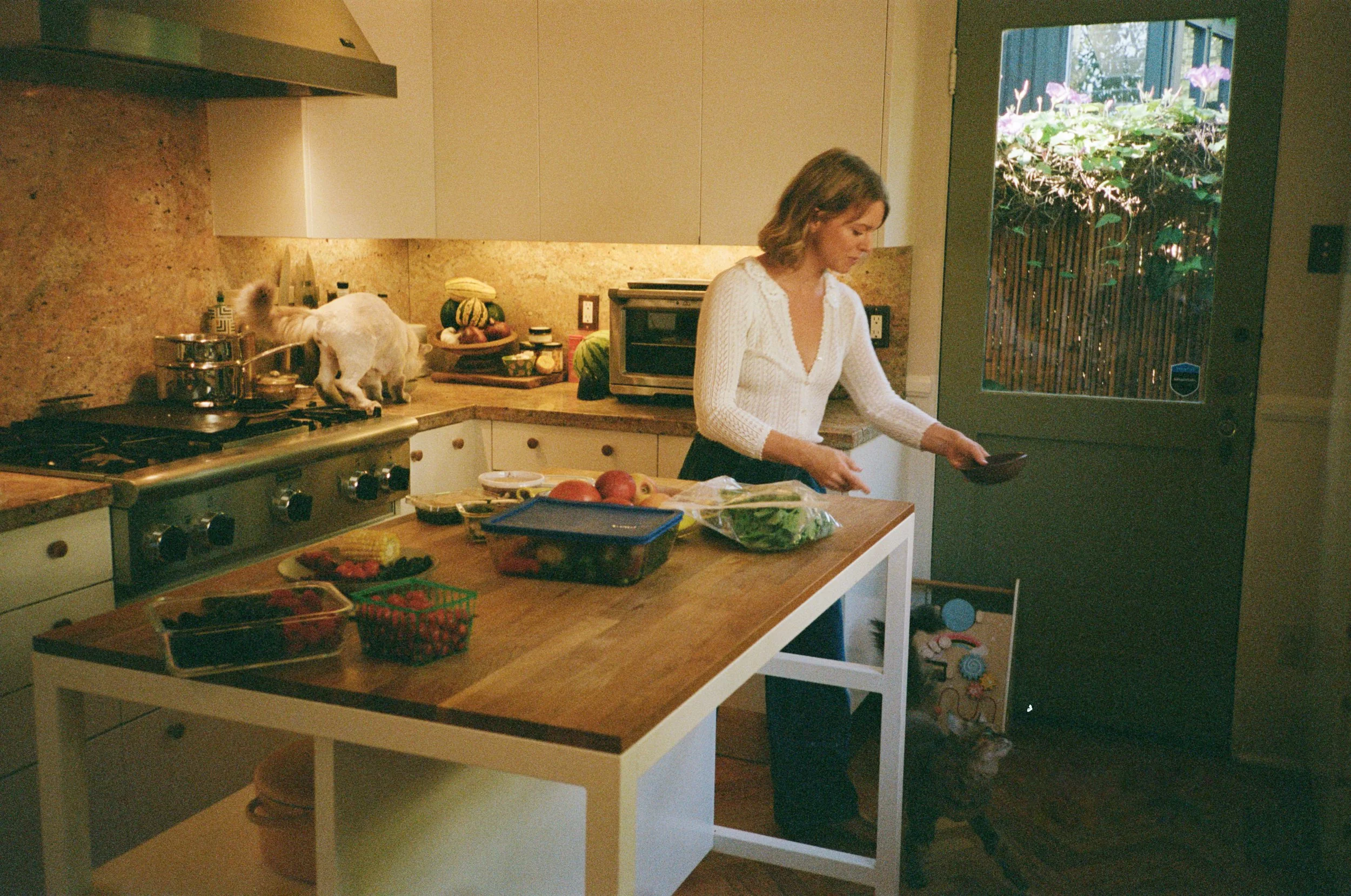
What eventually drew you into the world of holistic nutrition and healing? Was there a specific experience that opened that path?
Honestly, I came into it kicking and screaming. I didn’t come to it in some pretty way —it was out of desperation. I had been struggling with health problems for a long time, though I didn’t realize it at first. In college, I drank Pepto Bismol every day because my stomach hurt constantly. I had terrible digestive issues, extreme anxiety, OCD and I didn't have any awareness of what was going on in my body.
“Honestly, I came into it kicking and screaming. I didn’t come to it in some pretty way —it was out of desperation.”
A therapist I saw for my anxiety, once suggested I cut out gluten, dairy, sugar, and alcohol. But as a junior in college, that sounded impossible—a death sentence. He didn’t explain why that might be helpful, so I didn't, change my diet for a long time, until my physical symptoms got so bad in my early 20s. I got really sick while traveling abroad, and I was working in the high-stress world of fashion as a stylist. I had to start making changes. Doctors told me I was on the path to developing an autoimmune disease—maybe Crohn’s. They offered medications, but I thought, Why not try changing my diet first? That’s really how I came to it, I was just desperate.
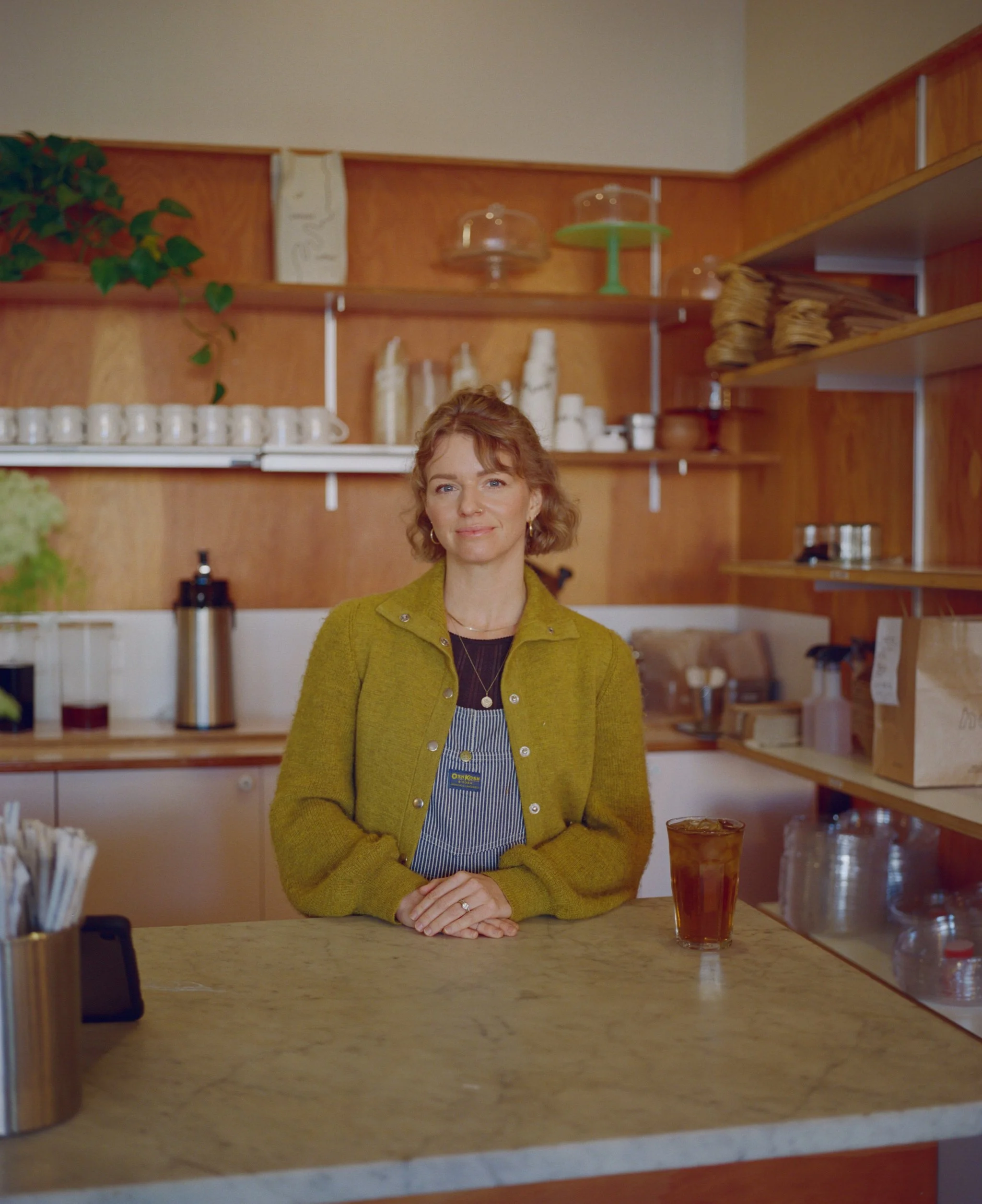
So, you took the earlier advice and started making changes to your diet.
Yes, I started cooking because I didn’t cook. The only thing I could make was pasta with butter and some chopped cherry tomatoes stirred in, or I could heat up frozen meals. I didn’t know how to cook.
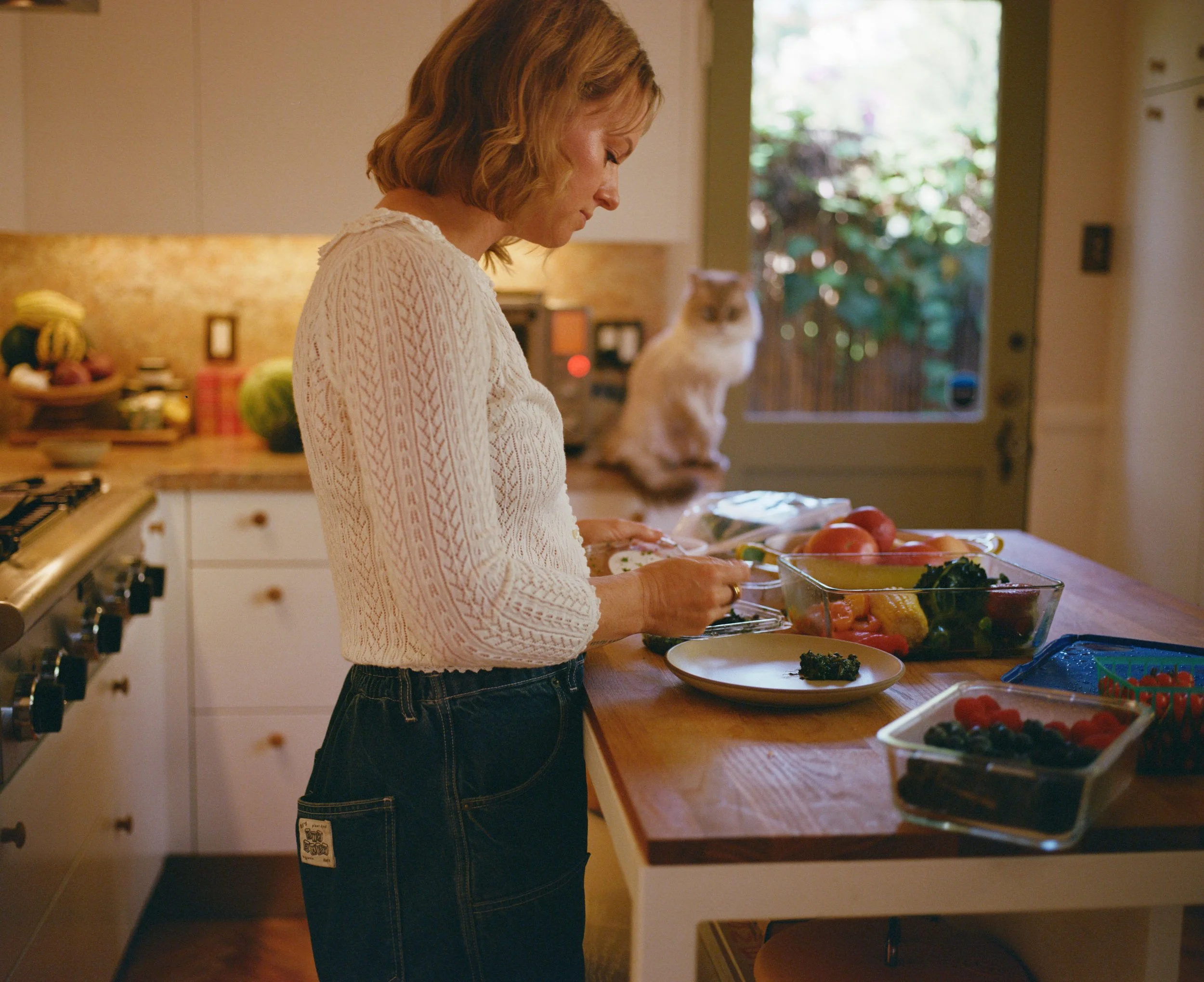
How did you learn what to cook and how to eat in a way that supported your health?
At the time, I was living in Brooklyn, New York, and there was this little Korean bodega with really beautifully packaged, fresh produce. I was broke then—on food stamps. I think I got about $40 a week, and I spent the entire amount on produce because I had a strong feeling that I needed to start making things from scratch and learning to eat real food
I’d bring it home and wonder, ‘How do you even cook asparagus?’ So I’d Google asparagus recipes and try different things, just experimenting —roasting, sautéing, blanching. I was definitely winging it. My plates were predominantly vegetables, and I remember cooking eggplant for the first time and being amazed at this vegetable I’d never dared touch in college.
It was a fun experimentation time for me. I’d also go to the Union Square Farmers Market, bringing multiple bags home on the subway. It was really fun, but also intimidating—vegetables still are kind of intimidating.
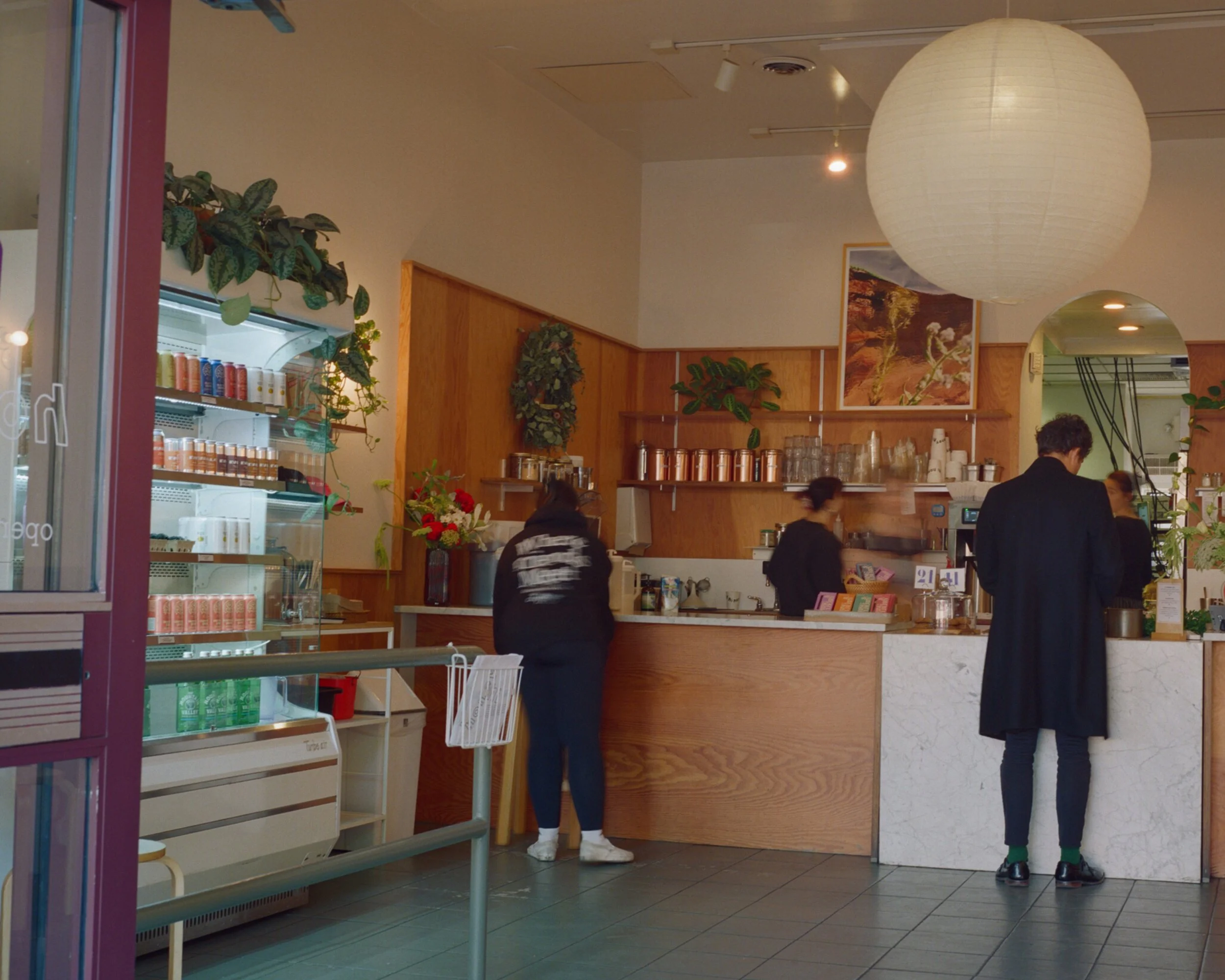
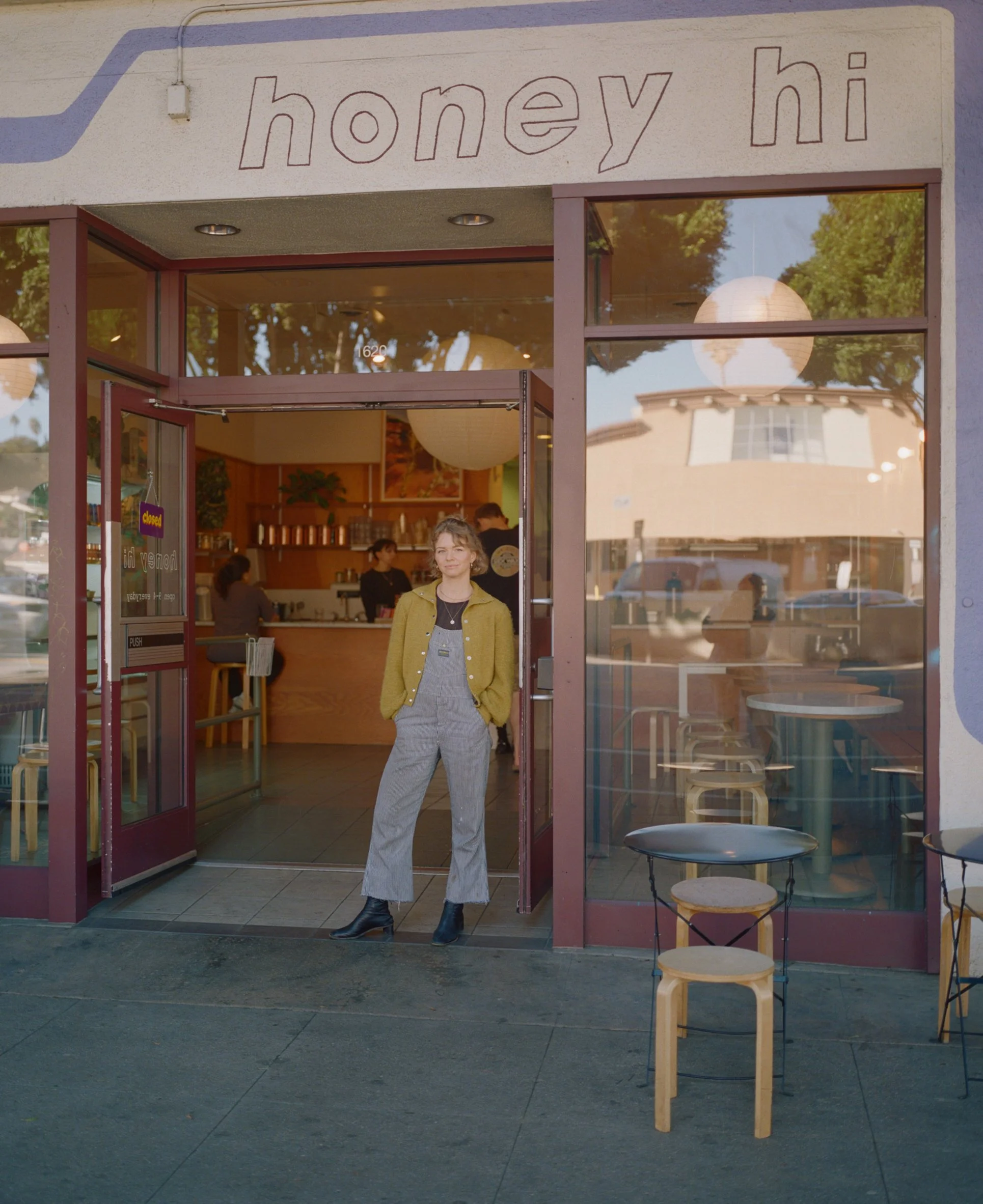
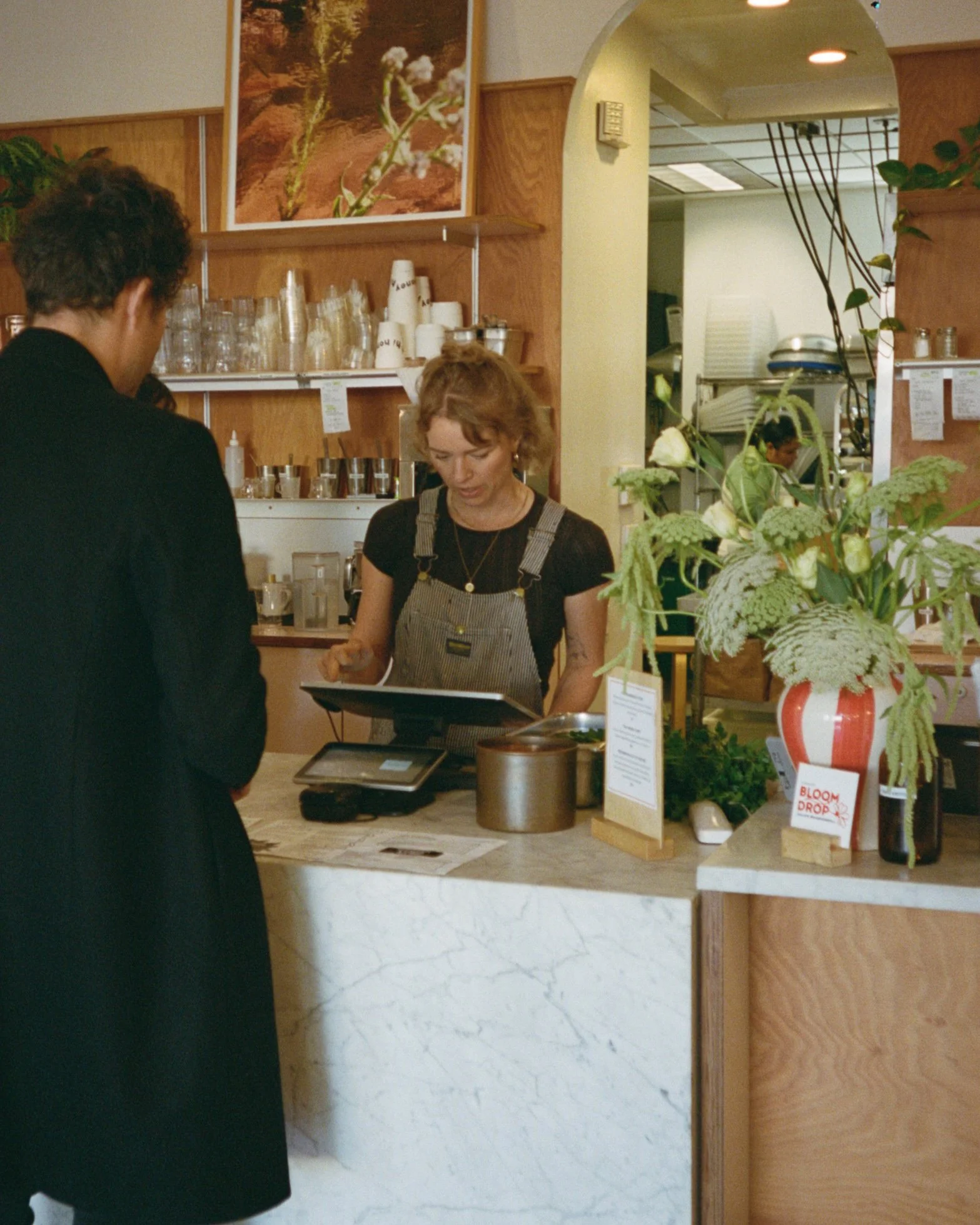
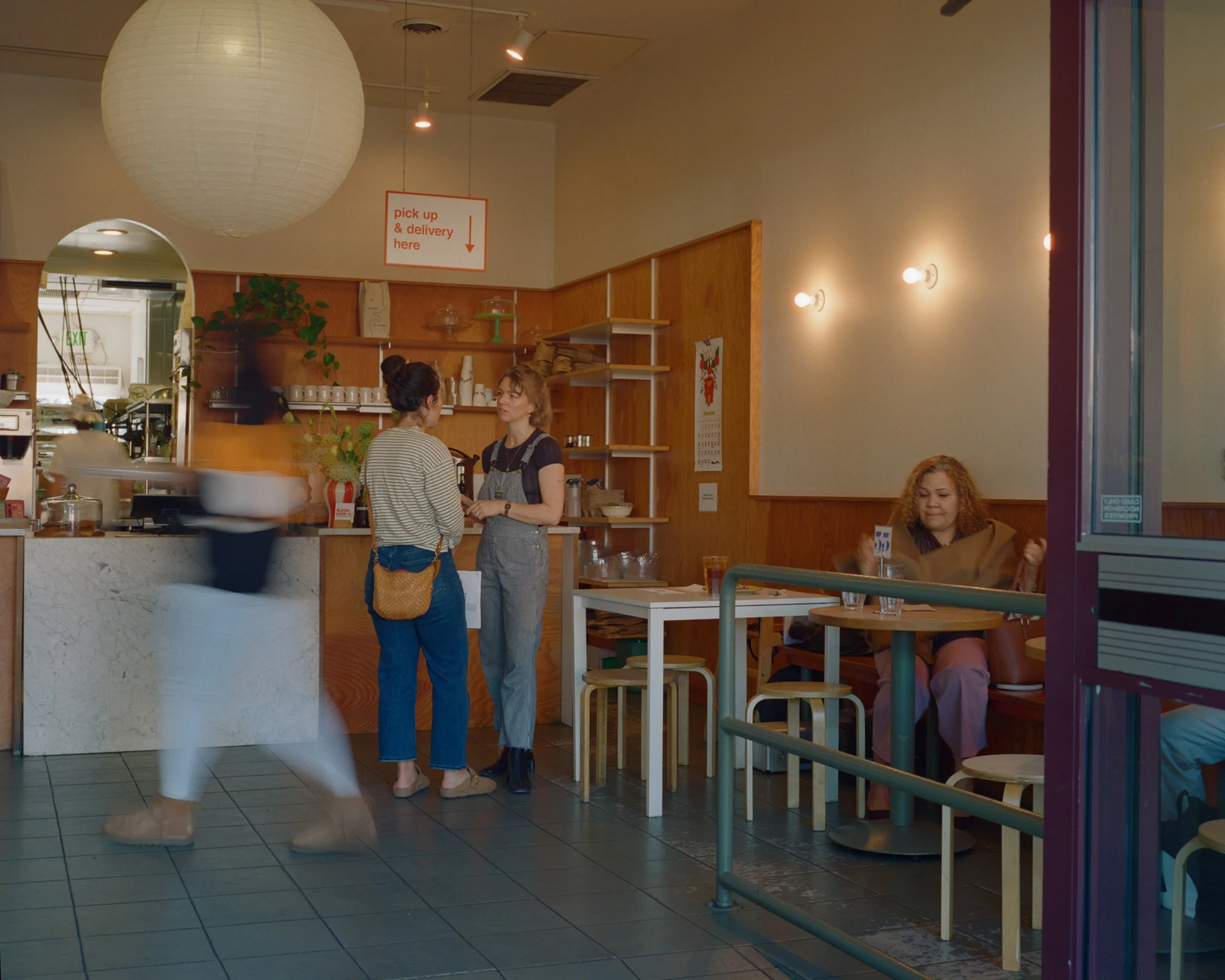
Honey Hi in Echo Park, Los Angeles
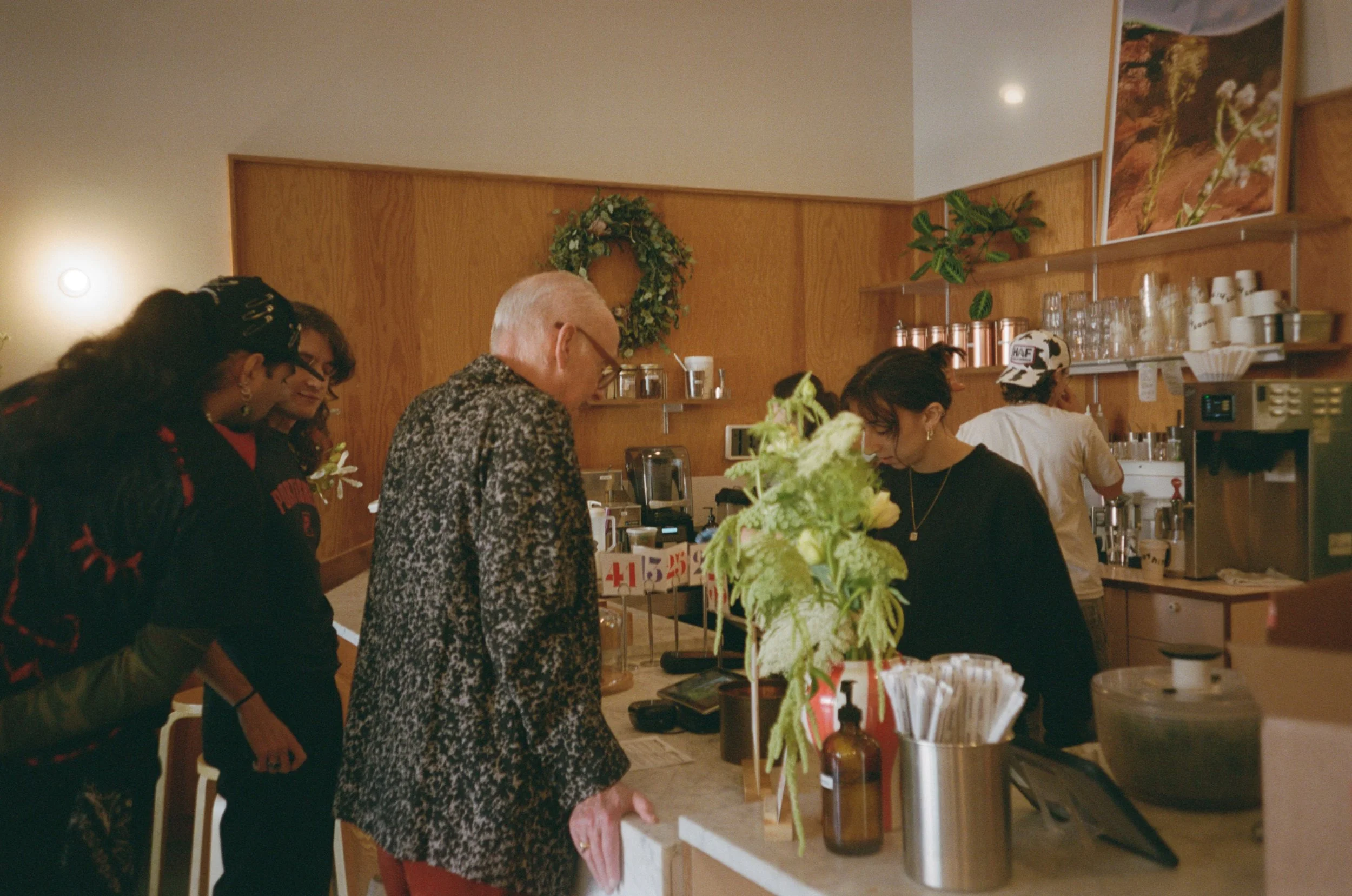
Actor John Waters stops by Honey Hi for a bite—adding a touch of Hollywood flair to our interview.
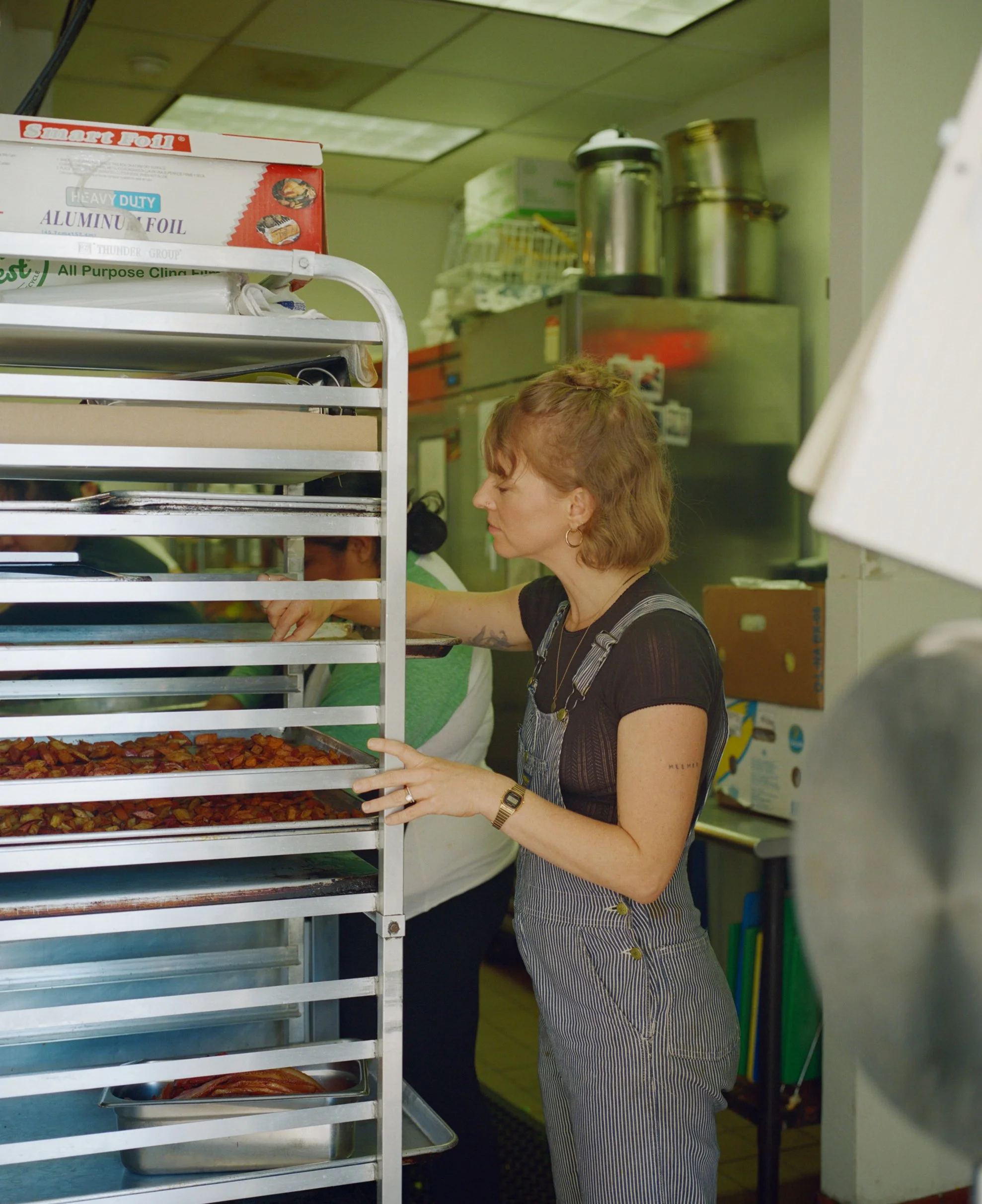
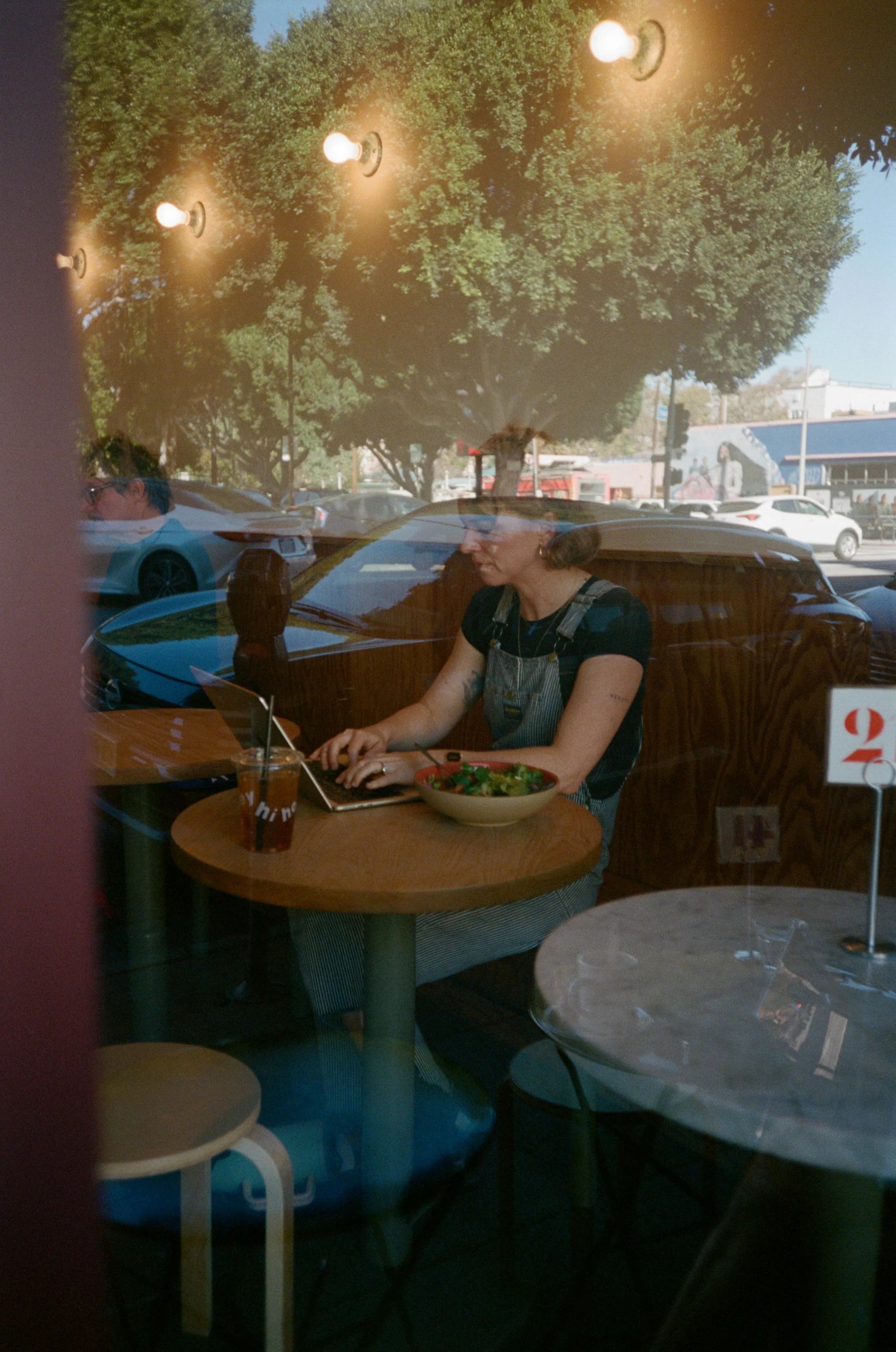
Kacie in the Honey Hi kitchen
You now own a lovely restaurant in Echo Park. What’s the origin story of Honey Hi? What first inspired the idea, and how did you figure out the nuts and bolts of bringing a restaurant to life from scratch?
It was so hard—honestly, it felt like something only a crazy person would do—but I was truly passionate. Honey Hi really began when I went back to school to become a nutritionist, transitioning out of fashion. I knew I wanted to work in food and health because I had seen such an amazing turnaround in my own health by changing the way that I ate. Before that, I didn’t know what my organs did, how they worked, or why I felt the way I did. I was in the dark about the functioning of my own body. It had been a really empowering experience to learn to cook and to nourish myself and seeing my health really turn around.
“It was so hard—honestly, it felt like something only a crazy person would do—but I was truly passionate. Honey Hi really began when I went back to school to become a nutritionist, transitioning out of fashion. I knew I wanted to work in food and health because I had seen such an amazing turnaround in my own health by changing the way that I ate.”
As people noticed my transformation, they would ask lots of questions. And I shared all this data and resources, and that's really kind of always been my way. I try to share what I've learned and try to make it available to others.
I went back to school to become a nutritionist, and by the time I was about to graduate, I was working with a functional medicine doctor who offered me a position as a nutritionist at her practice. It was an amazing opportunity—I would have gained tons of clinical experience—but I just felt like I was meant to do something more. I was meant to reach more people. Working one-on-one with only people who could afford it didn’t feel like the best way to change the food system.
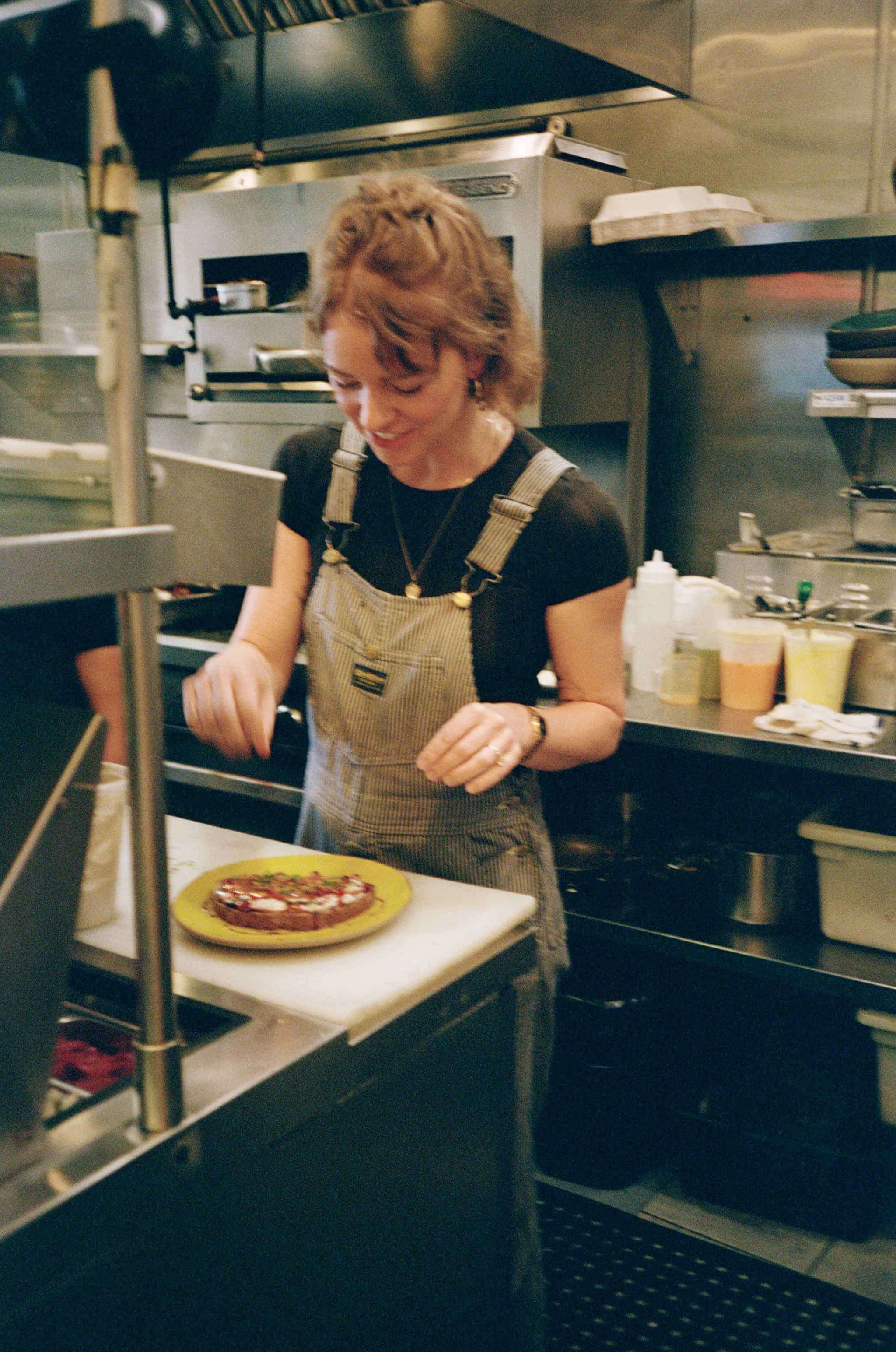
When I started to eat better, going out into the world and eating out to be a member of society was really challenging. Eating at restaurants, navigating sourcing, ingredients, and preparation—these things weren’t widely discussed back then, even though they are now.
“I just felt like I was meant to do something more. I was meant to reach more people. Working one-on-one with only people who could afford it didn’t feel like the best way to change the food system.”
I also loved cooking, feeding people, and the community aspect of it. My best friend at the time and I started joking about opening a restaurant, and somehow that joke turned into reality. We began looking at spaces and making a business plan, and when it was time to pull the trigger and sign a lease, I remember thinking, 'What are we doing?' We really didn’t have any experience, and that’s how we started in the beginning.
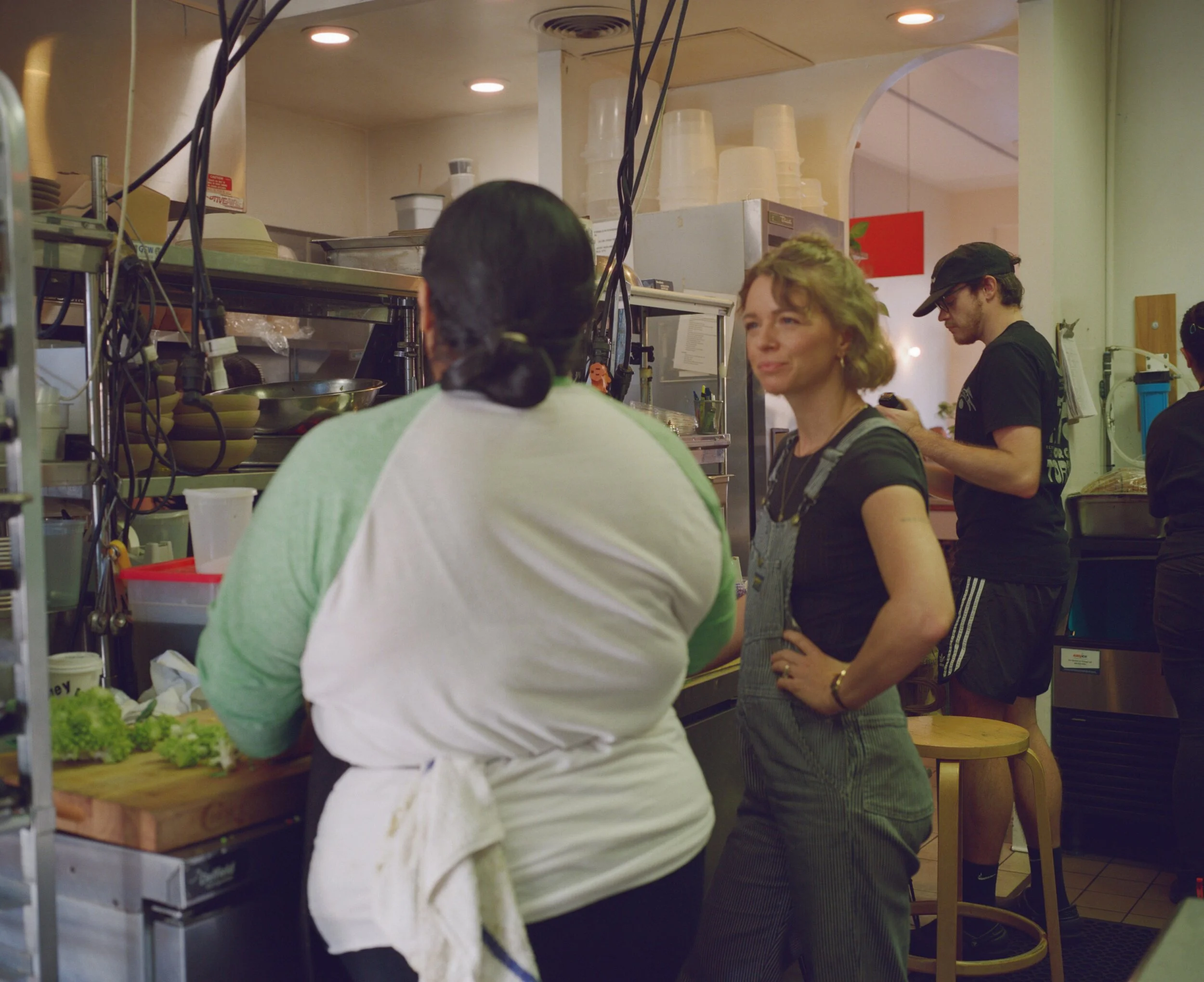
Cooking for yourself and cooking commercially are very different. How did you make that leap?
It’s really different. And honestly, it’s a very difficult thing to translate because Home cooking, where you make everything from scratch in the moment, is worlds apart from preparing large batches for many people. I’ve always been an intuitive cook—I still am—and I don’t really follow recipes. Having to develop these recipes that you could multiply into big batches as just such a big learning curve.
On top of that, I hadn’t worked in professional kitchens before, so it was all new territory for me.
Did you have a mentor or a friend guiding you through the process of running it?
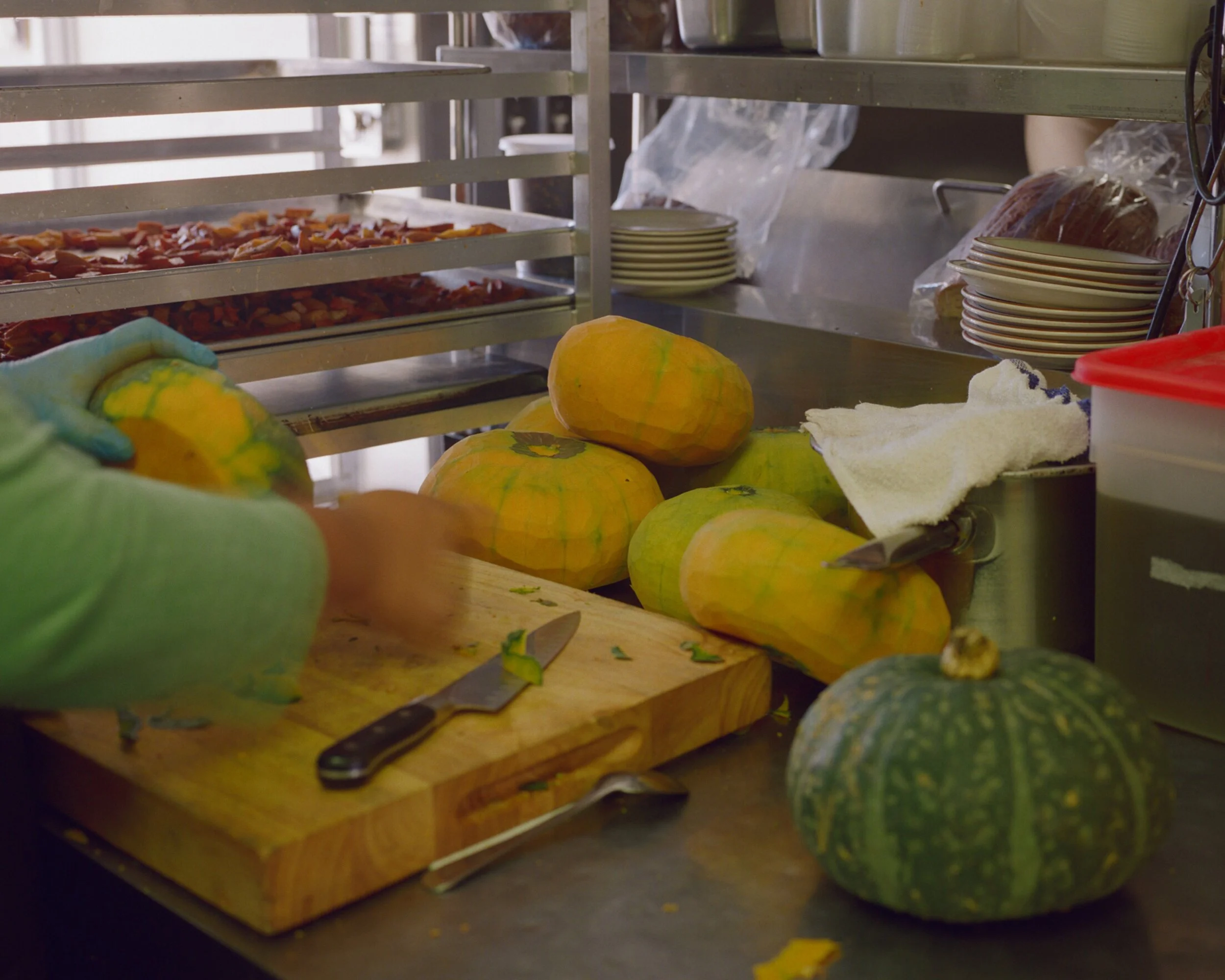
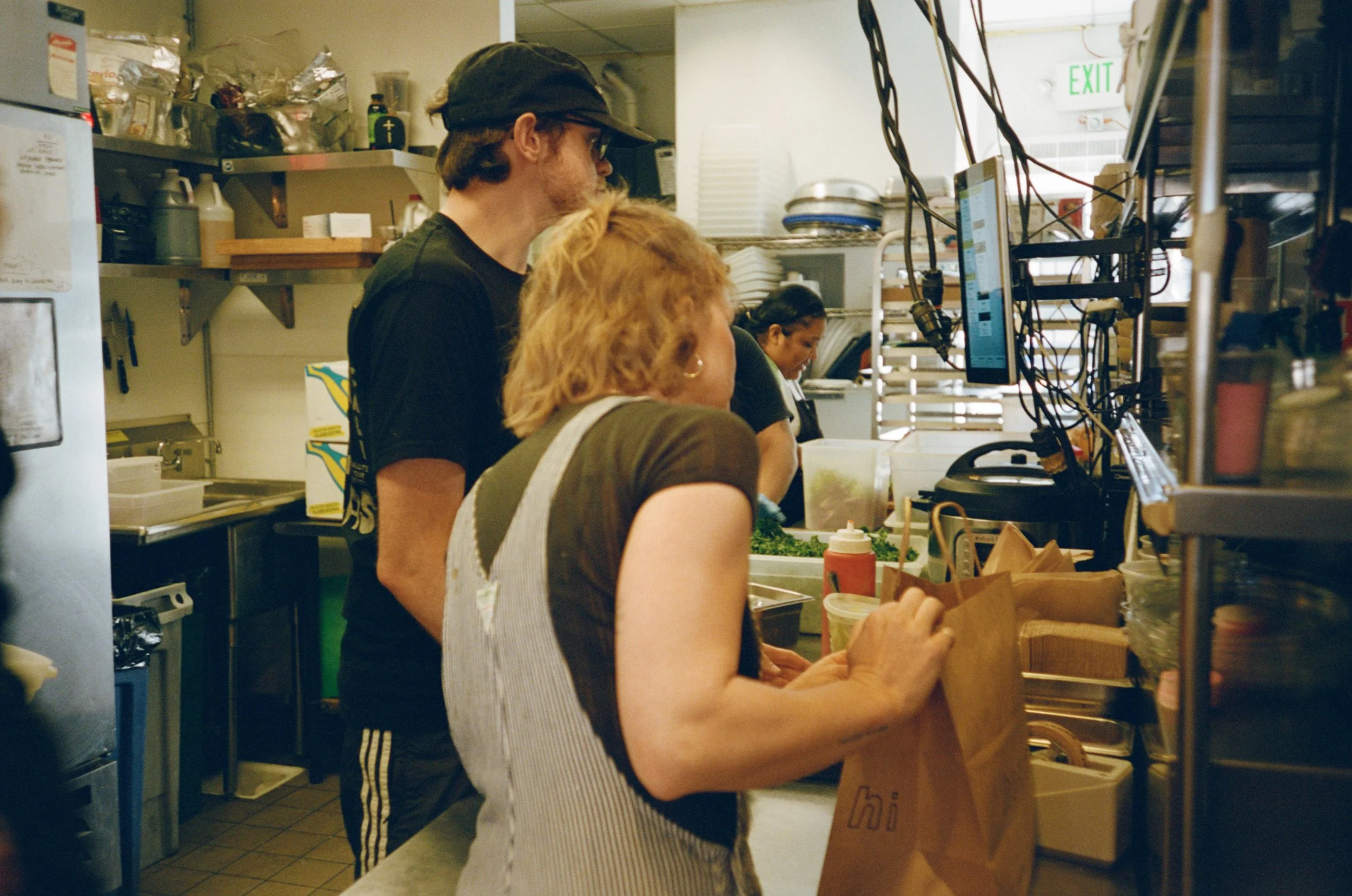
We worked with this amazing man named Ramon, who I will forever love and adore. If I ever write a cookbook someday , I’ll dedicate it to him—he was that important to us. Ramon had been a line cook for years and worked in countless kitchens, and he was the person who really helped us open Honey Hi. He helped us translate everything we were doing into something practical for a real kitchen. He worked with us for a couple of years and was an essential part of the original Honey Hi team.
“That’s how we started: with no formal experience and just figuring it out as we went. It was just me going to the farmer’s market, buying produce, coming back to cook it, and my friend running the register, checking people out. We learned everything hands-on, day by day.”
Now, he’s actually the chef at Dada, just three doors down from us, which feels really special—full circle.
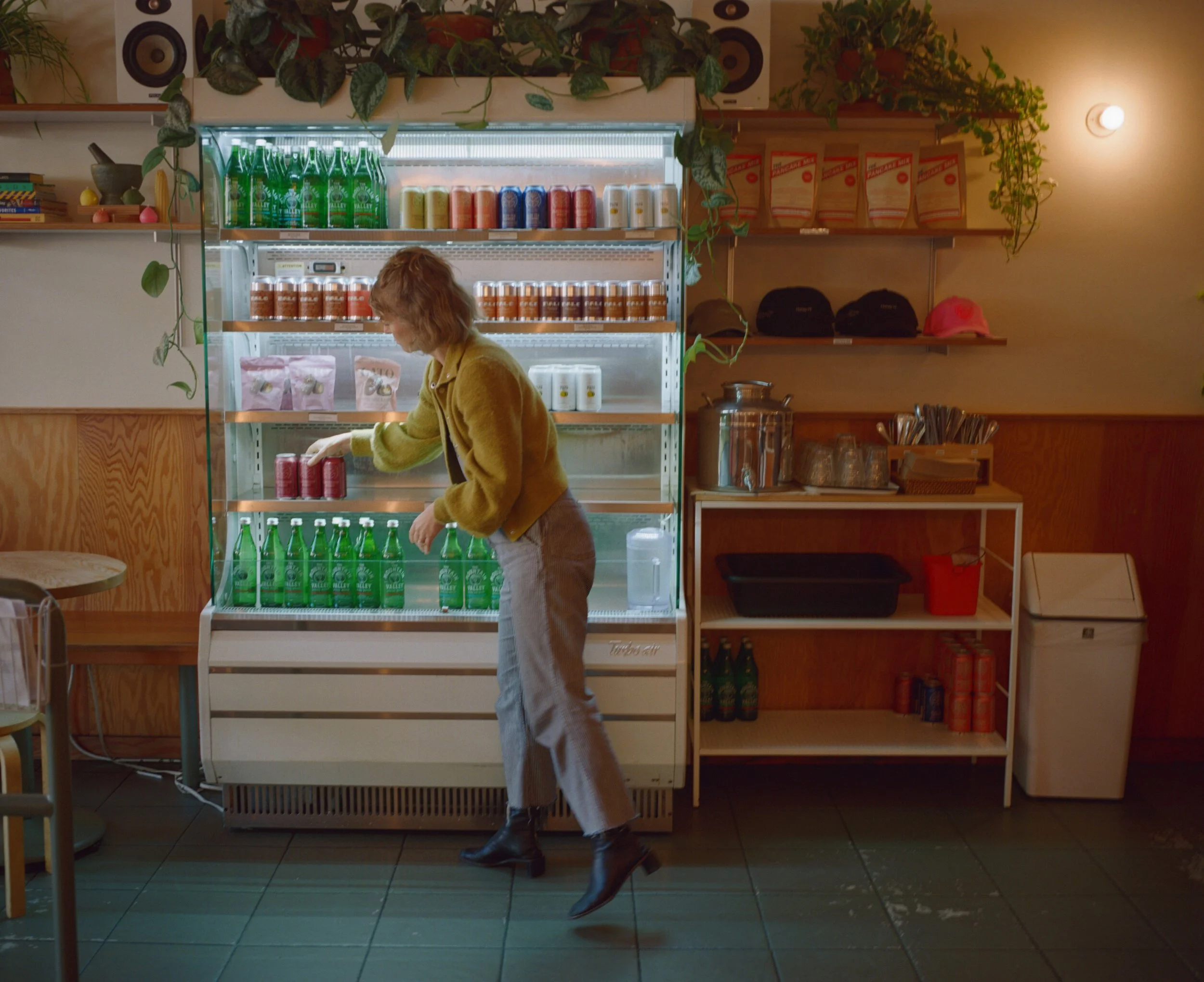
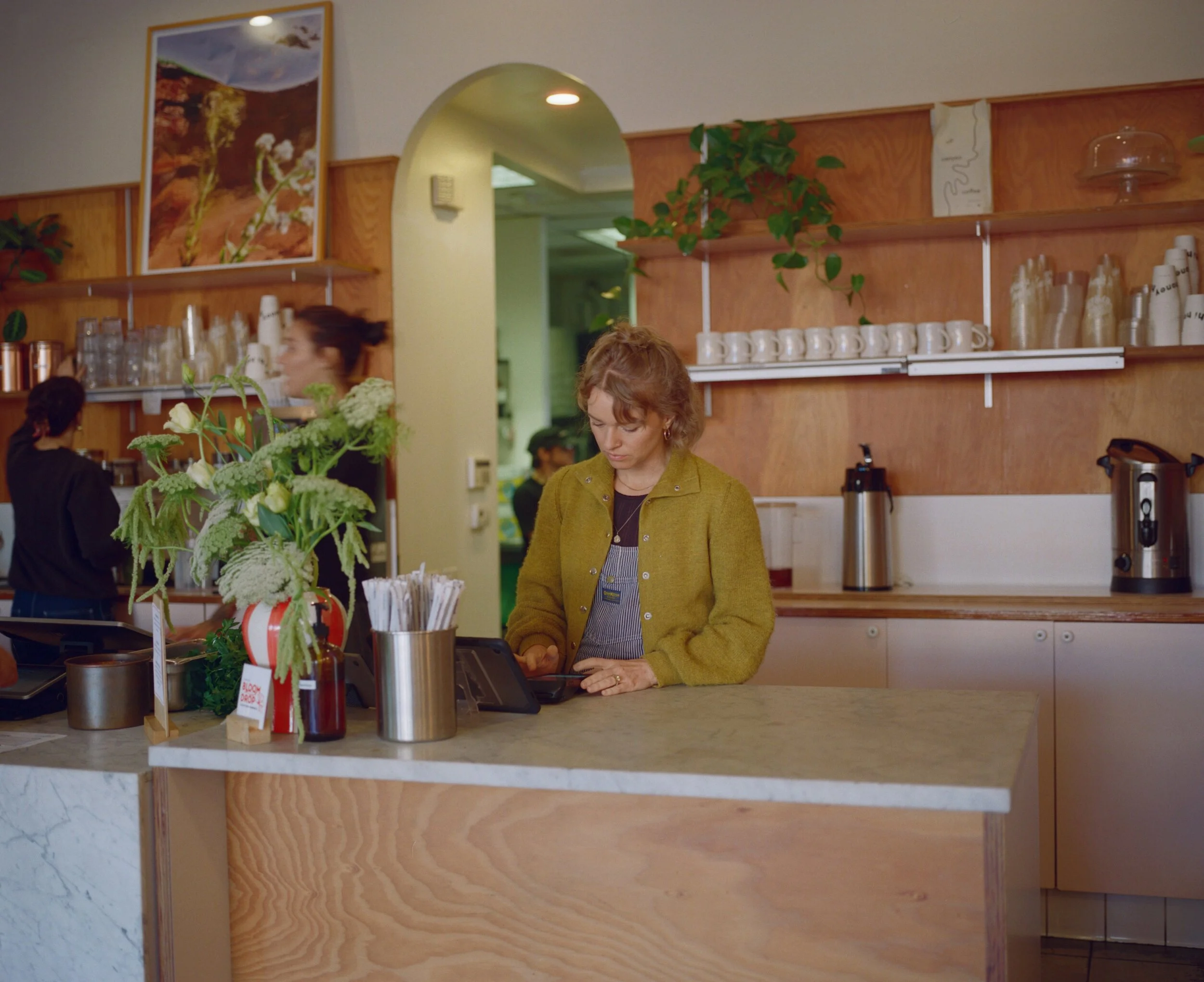
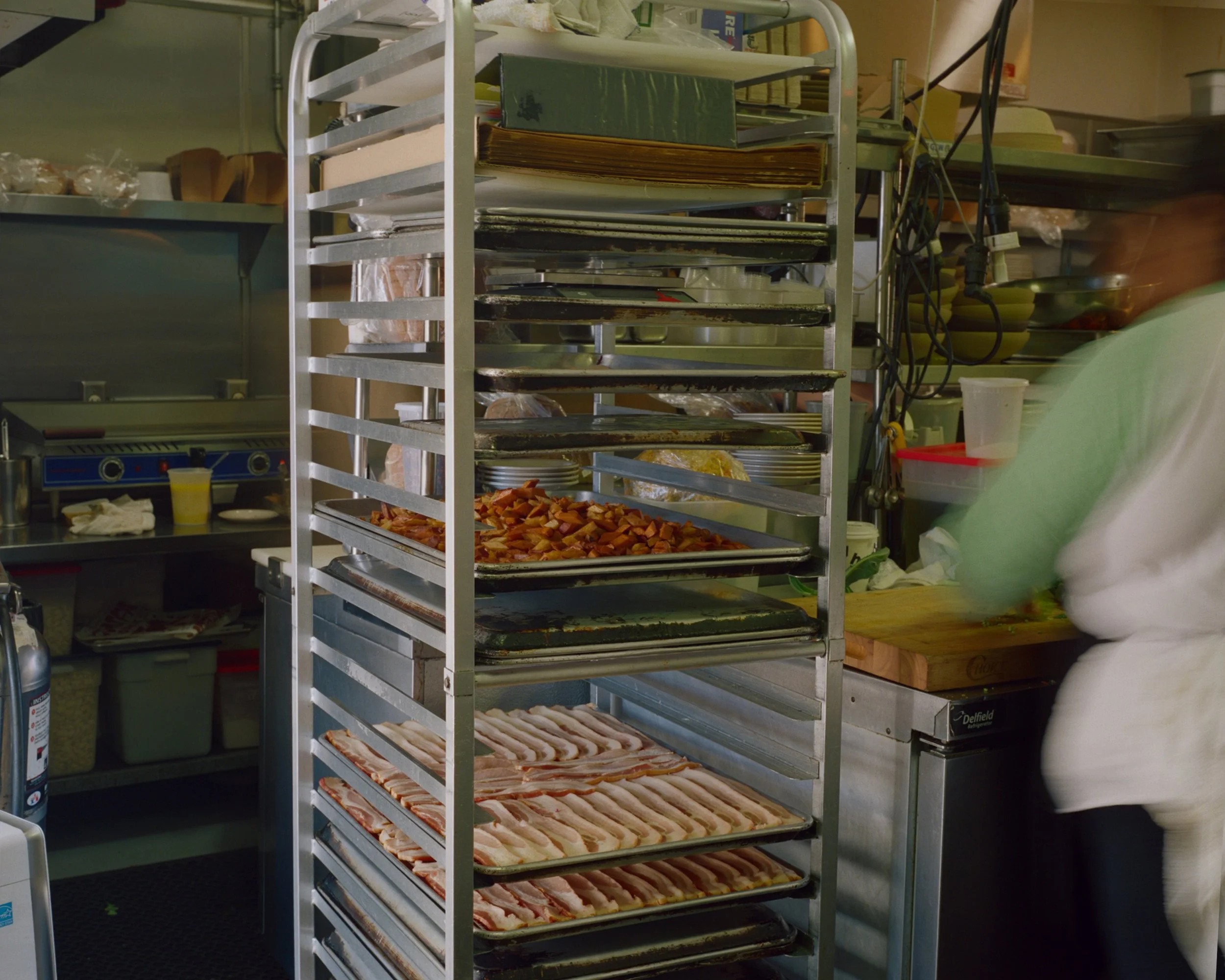
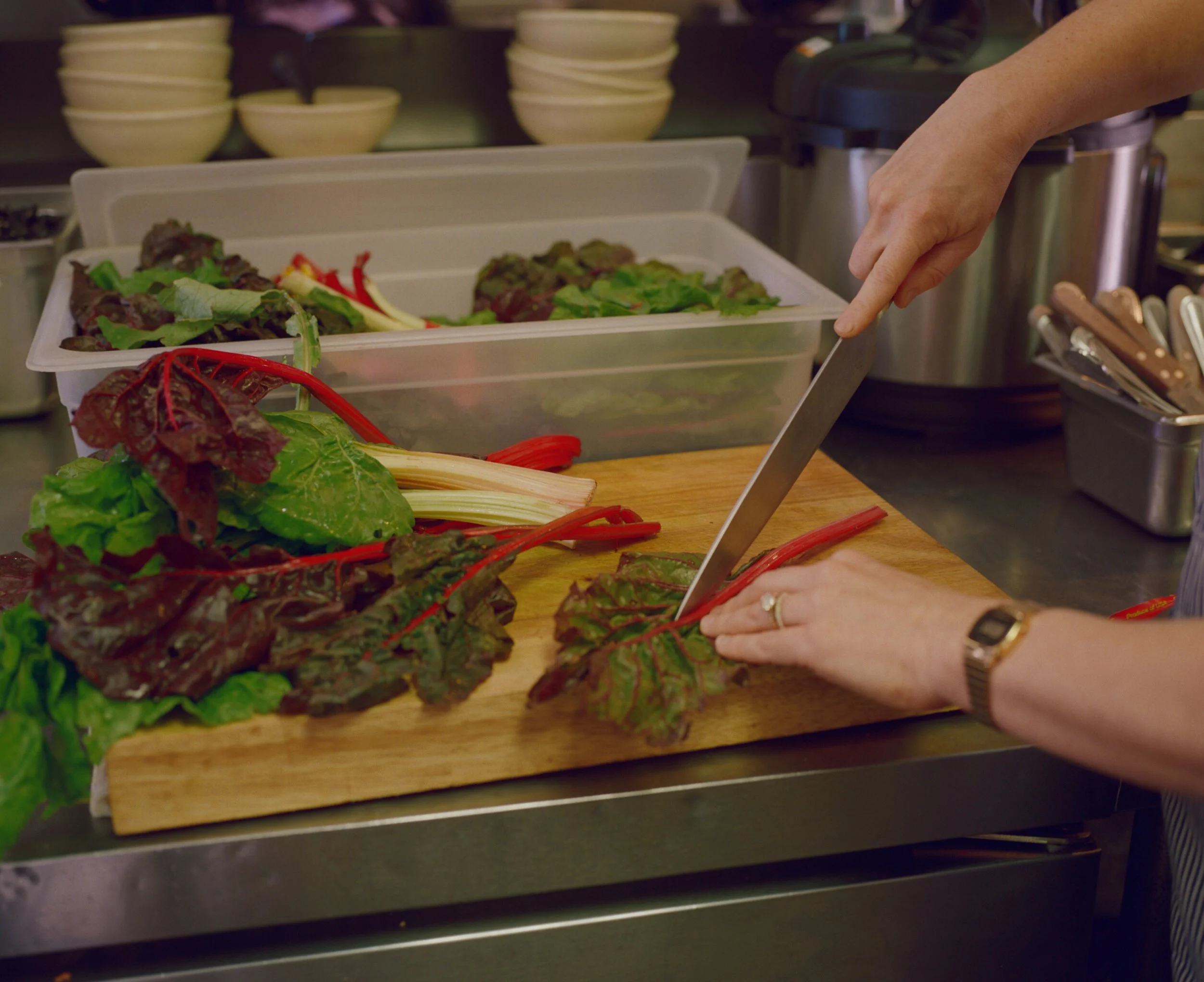
That’s how we started: with no formal experience and just figuring it out as we went. I remember another restaurant opening nearby at the same time, telling us about their general manager, assistant manager, chef, sous chef—a full kitchen structure. We didn’t have any of that. It was just me going to the farmer’s market, buying produce, coming back to cook it, and my friend running the register, checking people out. We learned everything hands-on, day by day.
Honey Hi has such a unique voice. Your dishes are nourishing, beautiful, and full of intention. Where do you find inspiration for your recipes and the restaurant’s ethos?
The inspiration for the recipes really comes from all over the place. Definitely a lot of them have been inspired by travels to different places, and just techniques that I’ve learned cooking in other places. I was also really fortunate to go—a couple years into Honey Hi—and do an internship at Chez Panisse, which was very special. There, they also don’t use recipes. They just cook everything from scratch every day.
And sometimes it’s almost like a download—I get this intuition about what will work, what people really want and need, something comforting, familiar, and something you could eat every day. Every once in a while, I have that moment where I know a dish needs to be on the Honey Hi menu.
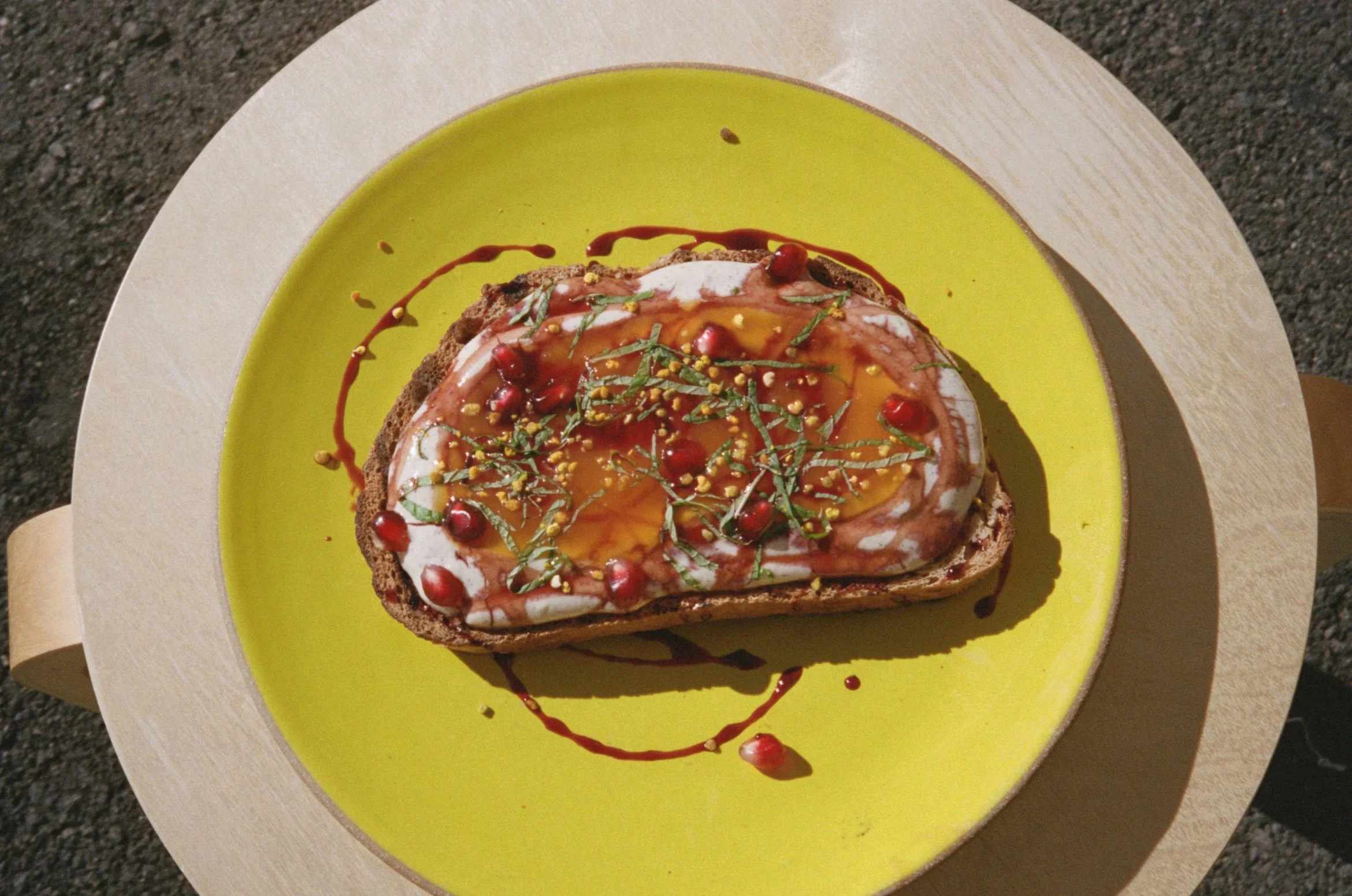
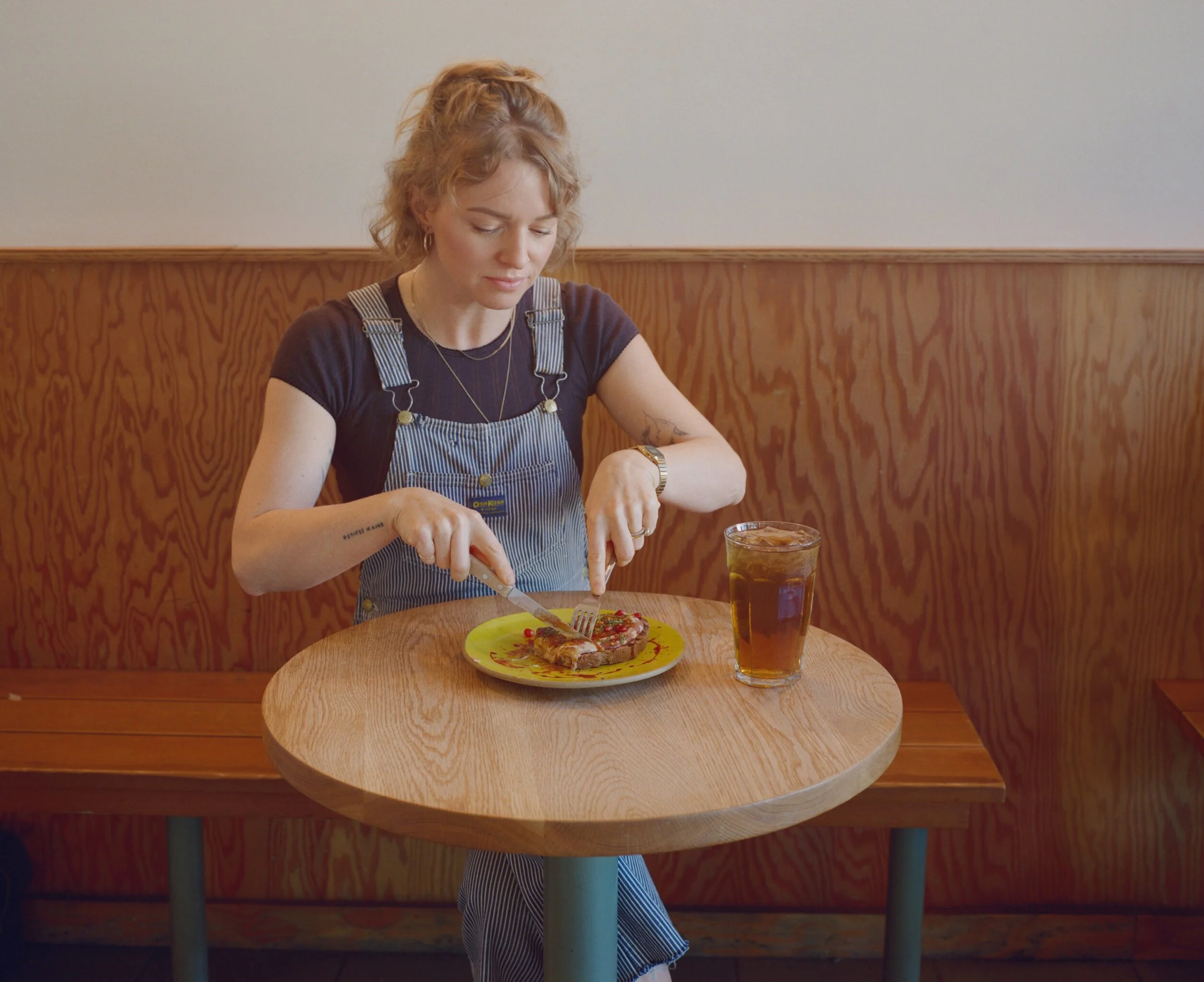
Honey Hi’s Berry Ricotta Tartine
“For me, inspiration comes from a lot of places. Sometimes it’s from traveling, and sometimes it’s almost like a download—I get this intuition about what will work, what people really want and need, something comforting, familiar, and something you could eat every day. Every once in a while, I have that moment where I know a dish needs to be on the Honey Hi menu.”
For example, the breakfast bowl came to me while we were testing recipes in the kitchen. I realized: it’s the American breakfast, Honey Hi style. People want something they can eat every day—potatoes, eggs, bacon—but in a healthier way. So we used sweet potatoes, a big salad, herbs, and lots of lemon.
More recently, I knew we had to create a breakfast burrito—but a different kind. Many breakfast burritos are heavy, loaded with tater tots and fried potatoes, which are delicious but don’t make you feel good. At Honey Hi, one of our core principles is that you should feel good after eating. That’s why people keep coming back—they enjoy the food but don’t feel weighed down.
So we reimagined the burrito: a gluten-free tortilla, beans instead of potatoes, sautéed kale, leeks, chard, garlic—and just ton of flavor. It’s really unique and special.
Inspiration comes from everywhere, just like it does for any other artist. And it comes to you when it is time. You can’t force it. For me, a lot of the time, the inspiration comes from things that I am going through with my health.
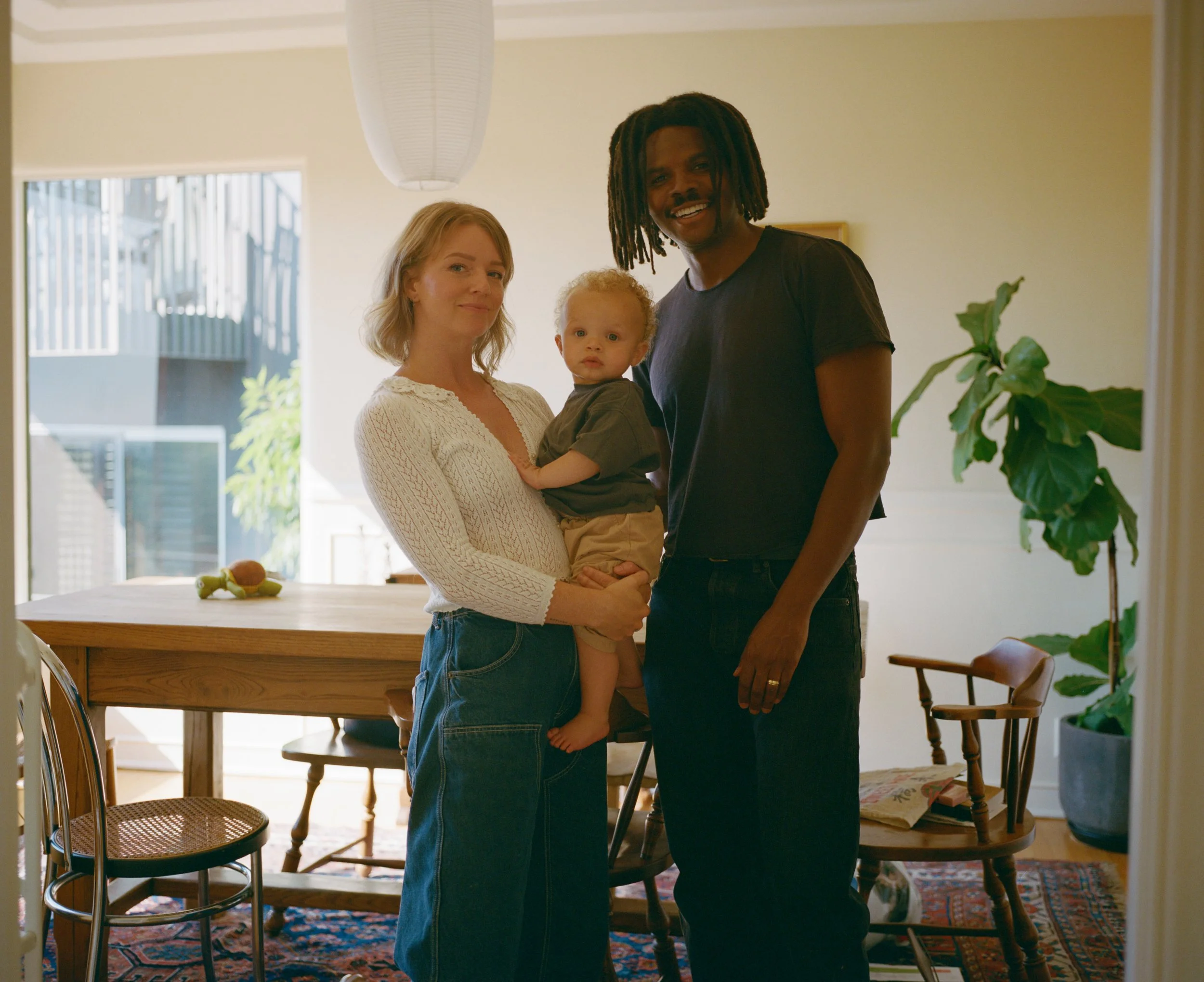
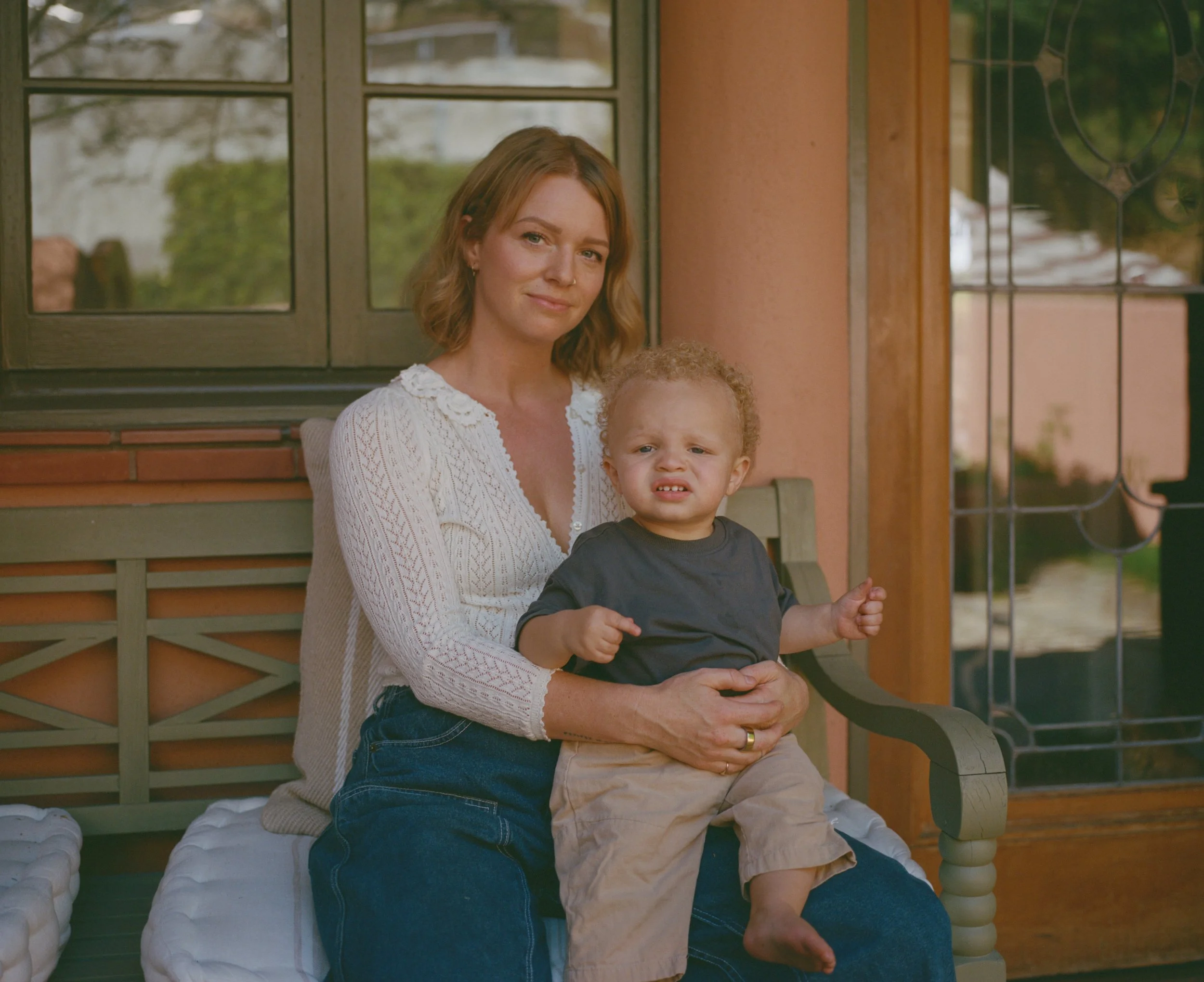
Kacie with her son Khalil and husband Brian in their Los Angeles home.
You juggle running a business, collaborating with brands, and raising a young child with your husband, Brian. How has becoming a mother changed your relationship with yourself, your creativity, your work—and also your relationship with him?
Well, I’ll say that it hasn’t been easy. I definitely don’t want to present it like I have it all figured out, or that I don’t struggle, or that there’s a perfect way to do it without some kind of sacrifice. That’s the reality for me right now—about a year postpartum.
Having a young child is incredibly time- and energy-consuming. On top of that, there’s the whole physical process of pregnancy, childbirth, and recovery, while also trying to maintain your sense of self outside of motherhood. I actually feel like there was a pretty good chunk of time where I didn't feel like I had access to my essence as a person —it all felt very mashed together, and I really struggled with that. But it was necessary at the time to take care of my child.
“Having a young child is incredibly time- and energy-consuming. On top of that, there’s the whole physical process of pregnancy, childbirth, and recovery, while also trying to maintain your sense of self outside of motherhood. I actually feel like there was a pretty good chunk of time where I didn't feel like I had access to my essence as a person —it all felt very mashed together, and I really struggled with that. But it was necessary at the time to take care of my child.”
We’re in such an interesting moment for mothers. There’s so much access to resources and career opportunities—it’s amazing—but balancing that with the physical realities of motherhood, time constraints and limited energy is challenging, especially without a lot of help.
I feel torn because I want to spend time with my child. I don’t necessarily want full-time childcare right now; I want to watch him climb over the chair, explore, and grow. But I also need time for myself. For example, I currently have a nanny Monday, Wednesday, and Friday. Getting back into my physical body again and feeling strong and feeling really nourished has been a huge priority. I dedicate my afternoons to reconnecting with my body, lifting weights, building strength, and feeling nourished, but then that means I have only three hours in the morning to balance everything else.
Personally, being a mother has been incredibly rewarding and challenging at the same time. Motherhood has expanded who I am as a person—it’s taught me about the capacity I have for love, patience, and tolerance, among many other things. At the same time, I found it very hard to do it all.
Totally —you couldn’t have said it better. I think doing it all is a myth. For me, I also found it really hard to do it all. You constantly ask yourself: where am I going to sacrifice? My work? My time with my child? And I’m not saying one is better than the other. Children benefit from relationships with other people, and I love that my son adores his nanny and has people who care for him besides me.
“I really have to actively practice witnessing, because that’s the internal critic we all face. It’s okay to grieve these limitations, but that doesn’t mean I’m a bad mom, a lazy boss, or that I’ve lost my creativity. Recognizing that distinction has been essential for me.”
But even with that support, I haven’t fully returned to work. Much of the time I’ve carved out for myself has simply been to start feeling like myself again. It’s a huge question, and for me, there’s always some level of grief that comes with it. I have to be careful not to let that grief turn into self-criticism. That’s where I can get confused—thinking that because I didn’t spend enough time on work, or with my child, or accomplish everything I wanted, it somehow means I’m failing.
That’s when I really have to actively practice witnessing, because that’s the internal critic we all face. It’s okay to grieve these limitations, but that doesn’t mean I’m a bad mom, a lazy boss, or that I’ve lost my creativity. Recognizing that distinction has been essential for me.
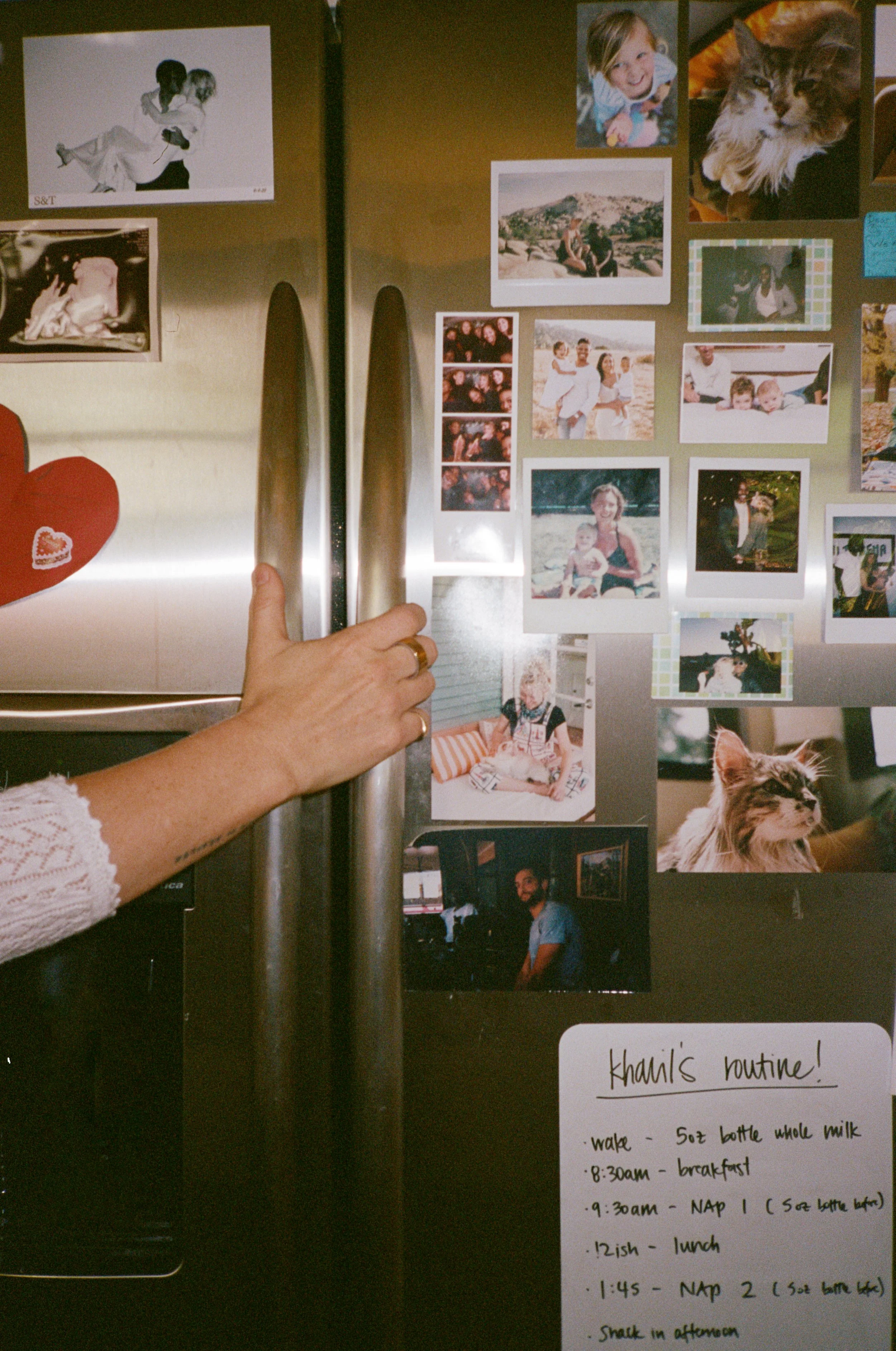
And besides your self-care routine with exercise, do you have any other daily rituals that help you stay grounded?
It really depends on the phase I’m in. And I want to be clear about this. Everybody is different. I personally didn’t have the capacity to return to many of my daily rituals until my child was a lot older and sleeping through the night. I needed enough support and boundaries to actually accommodate those things. It hasn’t always been this way and I don’t know how long it will be like this either.
“Exercising, lots of walking, carving out times I have committed to with other people that are non-negotiable. I don’t try to squeeze them in; I set these boundaries intentionally because I know that if I don’t, they simply won’t happen.”
Recently, I’ve been feeling really lucky because he’s started sleeping in more.It’s just amazing and beautiful. From the time we put him to bed at seven until he wakes around 6:30 or seven, I feel “off the clock,” and I can reclaim some time for myself. Lately, I've been meditating again for the last five days in a row, which I'm very proud of. I usually wake up around six, go out to the back deck, meditate, do a little stretching, take my morning supplements, and then we wake him, feed him, take a short walk, and make breakfast. That small sequence of events is really important—it makes me feel like I’ve gotten a little bit of time for myself, and nourished myself.
I’ve also returned to exercising, which has been transformative for both my physical and mental health. I lift weights with a trainer, build muscle, and reconnect with my body. It’s empowering—I love being able to play with my son, throw him in the air, and not get tired. That connection to my physical strength gives me confidence and energy, and it’s a practice I prioritize.
Those are my big practices: lots of walking, carving out times I have committed to with other people that are non-negotiable. I don’t try to squeeze them in; I set these boundaries intentionally because I know that if I don’t, they simply won’t happen.
And I imagine making time for these rituals requires careful scheduling with your family and support network—how do you manage that?
“It was uncomfortable to start many of these practices—waking up early instead of hitting snooze, finding people to commit to, and showing up every day when there were a million other things I could be doing. But making that time for myself has given me back so much self-esteem and reconnected me with myself. I feel like I’m slowly returning to parts of who I was.”
Yes, absolutely—with Brian, with the nanny—asking for help has been really difficult. As mothers, we have this propensity to say, ‘I can do it myself, I’ve got this,’ but I didn’t realize how much I was doing that at the expense of the things that really mattered to me.
It was uncomfortable to start many of these practices—waking up early instead of hitting snooze, finding people to commit to, and showing up every day when there were a million other things I could be doing. But making that time for myself has given me back so much self-esteem and reconnected me with myself. I feel like I’m slowly returning to parts of who I was.
I’ll never be exactly who I was—and I don’t want to be—but there are aspects of that person I really loved and want to continue connecting with.
What’s inspiring you these days—creatively, spiritually, or personally? Are there particular books, places, flavors, or people that you’d like to share?
Right now, my world feels pretty focused—narrowed, even—and that has actually helped me manage a sense of overwhelm. Inspiration for me lately has been coming from this small circle of daily life that I’m living in.
“I think, in a way, my health challenges have become a major source of inspiration for me, because they caused me to look deeper.”
For example, I started wearing a glucose monitor. After having a baby, I knew I was dealing with some health issues, but I didn’t have time to address them. Once I finally made time for myself, I went back to do some blood testing and realized my gut health was struggling. I have all these food allergies and that led me to wearing an Oura ring and then a glucose monitor. Many people think glucose monitors are just for diabetes, but blood sugar and metabolic issues can develop years before diabetes appears—so you can catch and address things preventatively.
I’m not on a path to diabetes, but I was not in a great space. Tracking my glucose showed me that some foods I thought were healthy—like rice or potatoes—weren’t actually working for me. I am not saying this for other people, this is just for me. This process of observing my body, understanding how it reacts, and responding accordingly has been hugely inspiring.
Right now, inspiration comes from looking inward—keeping the focus on myself, learning about my body postpartum and caring for myself. That’s why I’ve returned to early mornings, meditation, walks in the morning. I’ve been really inspired by getting back into functional medicine and these health practices. That’a kind of brought me to why I started Honey Hi in the first place.
I think, in a way, my health challenges have become a major source of inspiration for me, because they caused me to look deeper.
What’s something you have let go of recently? And what did that open up space for?
I’ve been letting go of perfectionism. I've really been letting go of this idea that there is going to come a perfect time and a perfect place where all of the conditions will align in just the right way, and I'll be able to do things at this its highest, most perfect level that I envision them to be.
“I’ve been letting go of perfectionism. What I've realized is that actually stops me from doing so many things in my life.”
What I've realized is that actually stops me from doing so many things in my life. For example, I’ve been wanting to start a podcast. In the past, I might have felt I needed a professional setup, the perfect name, a fully planned guest list—everything aligned perfectly—before even beginning. But that mindset just leads to getting stuck and not starting at all.
Letting go of the idea that I have to become a perfect version of myself first has made space for me to show up as I am, which feels so much more relatable. I really appreciate people who do the same. When I compare myself to those who seem to have it all figured out, it doesn’t inspire me—it makes me feel like I’m inevitably falling short.
Releasing this notion of a perfect future or a perfect way of doing things has allowed me to start projects and take actions I’ve always wanted to, even if they aren’t exactly how I envisioned them.
You now have a podcast called I Can Only Speak for Myself. Can you tell us a bit about what inspired it and what listeners can expect?
It’s funny—I actually don’t fully know what the podcast is going to be yet. I'm just gonna let it happen and see where it goes. Even though technically it is a podcast, the way I’m thinking of it is more like sharing personal voice notes publicly. I want to share what I’m going through in real time. I want to share the things that I'm struggling with, the things that I'm challenged by, the changes that I'm making, the things that I'm observing, the information that I'm learning, because I really just want to show what it's like to be in the process versus being the perfect final product.
“We’re always told it’s the journey that counts, but we are all obsessed with the destination. I want to share the journey: being in the middle, messy, figuring things out, and relating to others as that person—not as an expert or someone on a pedestal. I just want real conversations with real people being vulnerable.”
We’re always told it’s the journey that counts, but we are all obsessed with the destination. I want to share the journey: being in the middle, messy, figuring things out, and relating to others as that person—not as an expert or someone on a pedestal. I just want real conversations with real people being vulnerable. That is so much more interesting to me. That's really what it's about.
An interview I’m planning is with the woman who did some postpartum dueling for us. She was our night nanny after an extremely traumatic birth with my son Khalil. I want to explore her perspective—what she saw, what she experienced. I want to talk through my experience with her. Those are the types of conversations that I want to have.
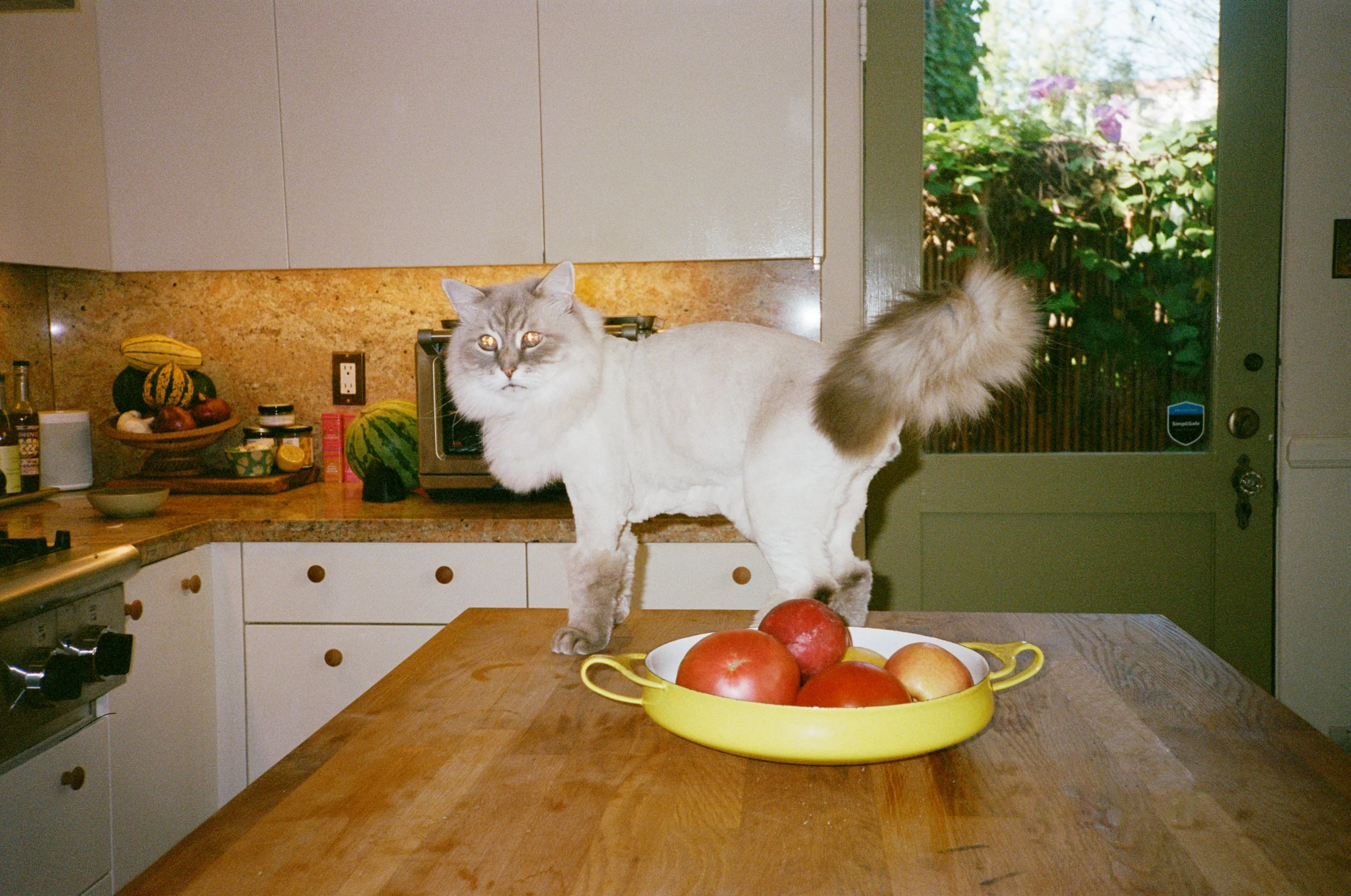
Kacie’s long time companion Kevin
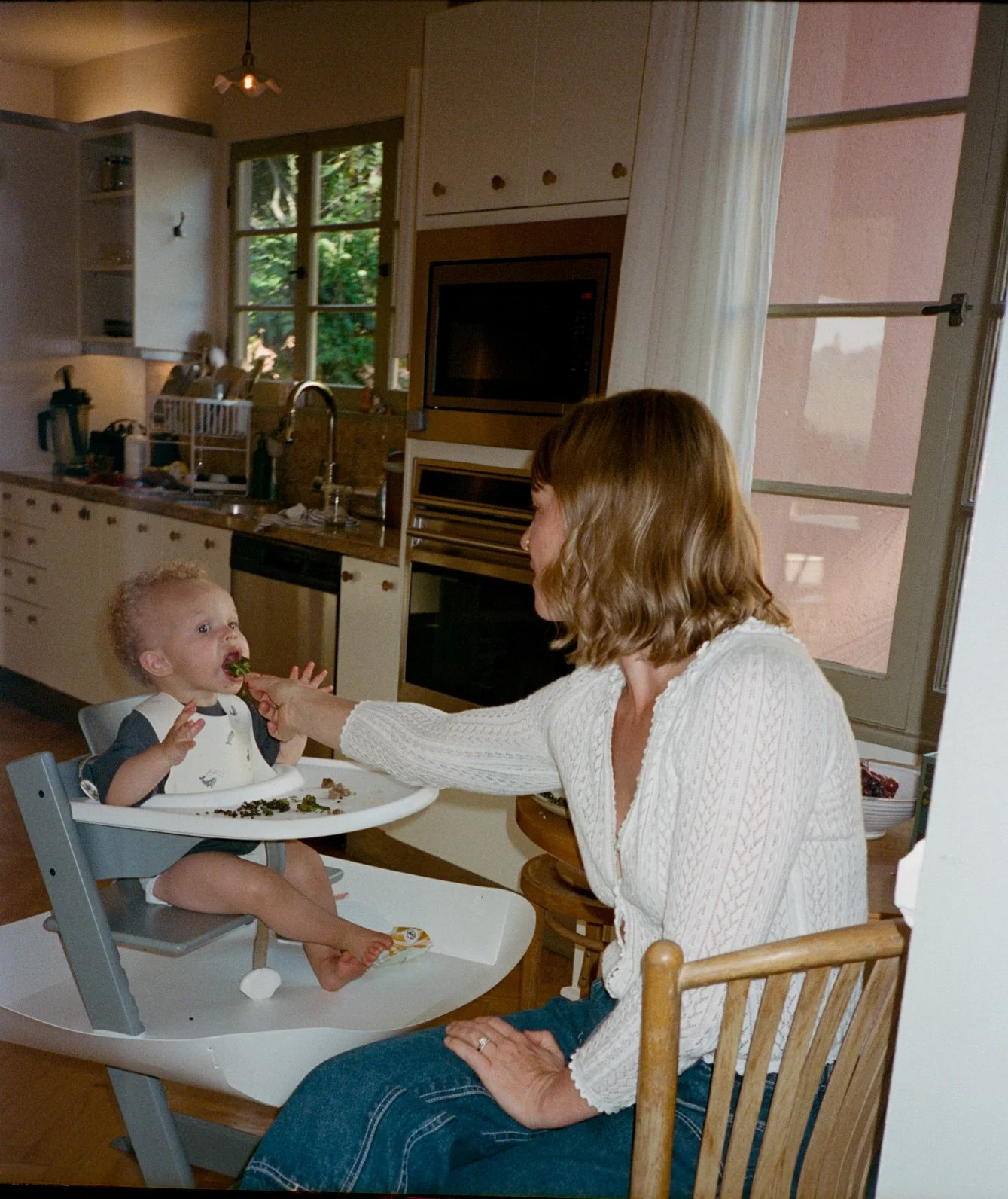
What does a nourishing life look like to you right now?
Right now, it feels like baby steps. It looks like feeding myself enough, eating in a way that truly works for me, and making enough time for myself. I looks like working enough—but not too much—and spending quality time with my family without feeling guilty that I should be doing other things.
It looks like making space for more in my life—not necessarily bigger or better, but creating room to hold all the different aspects of my life and really try to enjoy them.
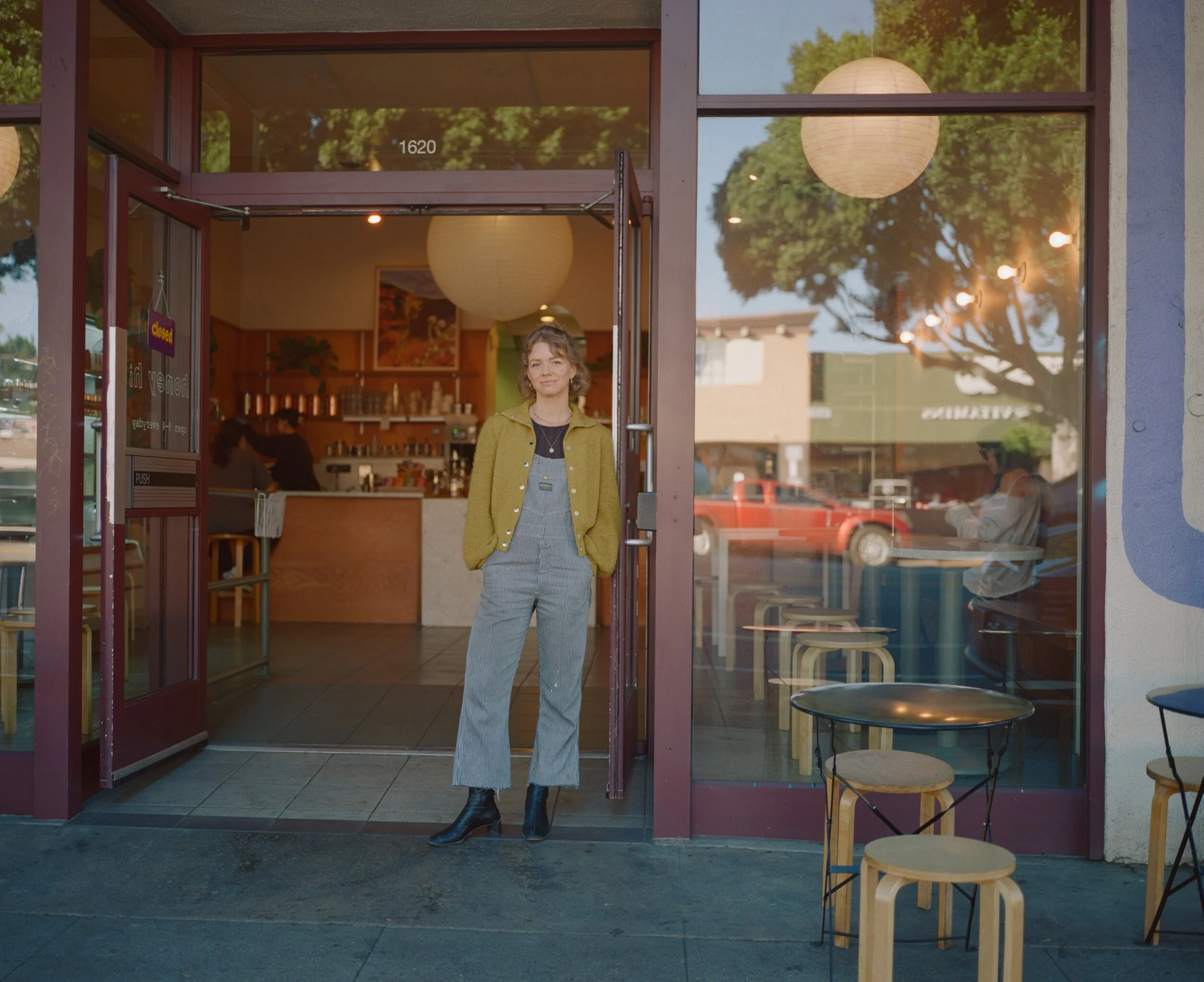
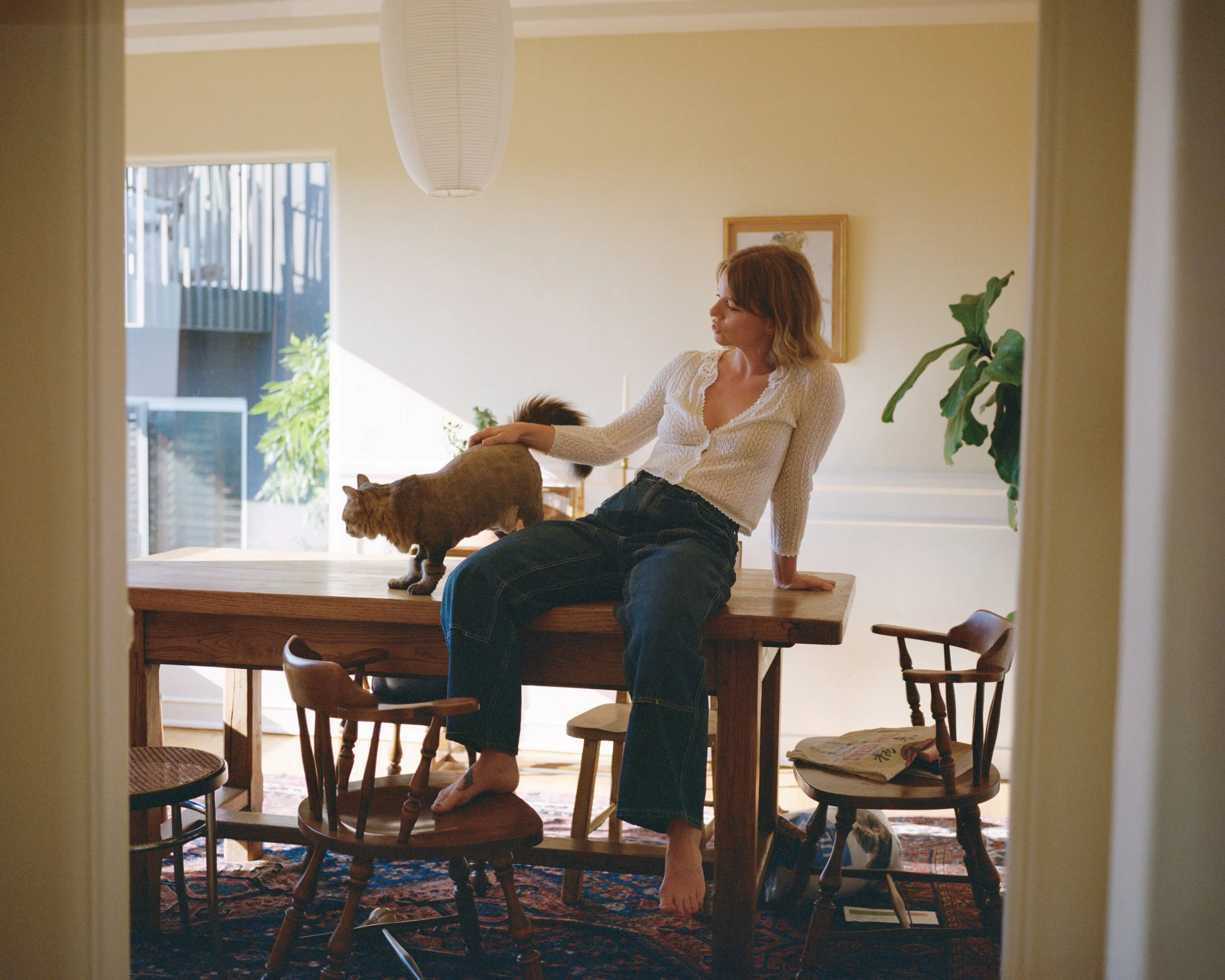
When you were young, your dreams revolved around helping animals and people—perhaps as a veterinarian, working in animal rescue, or even at the United Nations. Today, you’ve built such a rich and multifaceted life: running a restaurant, raising a family, and sharing your voice with the world. Yet if growing up is an ever-evolving journey, what do you want to be when you grow up now?
“More than anything, I want to feel present—enjoying what I do and experiencing life as an extension of beauty and expression. Life can be very artistic, even in daily rhythms.”
I think all I want to be now is an integrated person. Less attached to what I am, because I really think that's going to change throughout my life. I think that owning a restaurant and being a nutritionist—for a long time—I felt like that needed to be my ultimate identity, and I just needed to build on that and become bigger and better. But again, that's that whole improvement-destination mindset that I've really been working to let go of.
Now, I want to be someone in touch with herself enough to understand what I need in the moment and willing to pivot and shift when life calls for it. More than anything, I want to feel present—enjoying what I do and experiencing life as an extension of beauty and expression. Life can be very artistic, even in daily rhythms.
For example, I love my little compost routine at home: gathering food scraps throughout the day, putting them in our copper pail on the counter, and taking it out at the end of the night. Little things like that are silent expressions of who we are and how we do things. That feels like integration to me. Life is really made up of many of those moments. I want as many of those integrated moments as possible.
I don’t know exactly what I want to be, but I do know I want to feel like I’m living life presently. That’s all I know.
Discover more of Kacie Carter Chamberlayne’s culinary creations and holistic nutrition practice at HoneyHi and KacieCarter.com. You can also explore her latest project, the “I Can Only Speak For Myself” podcast, on Substack and Spotify.
Photography, Words & Interview by Basak Barrett