
Gloria Noto on Roots, Ritual, and Turning Feeling Into a Brand
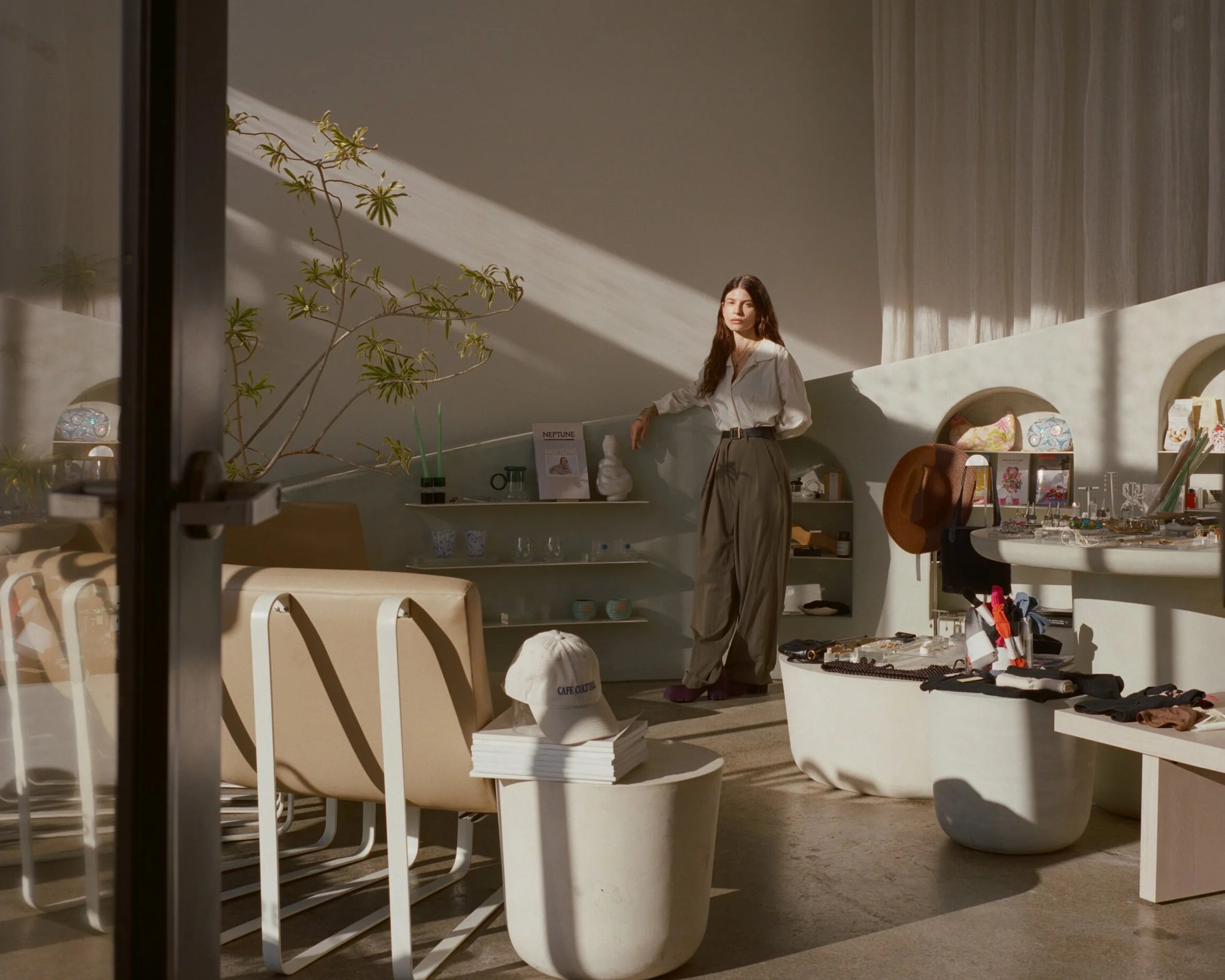
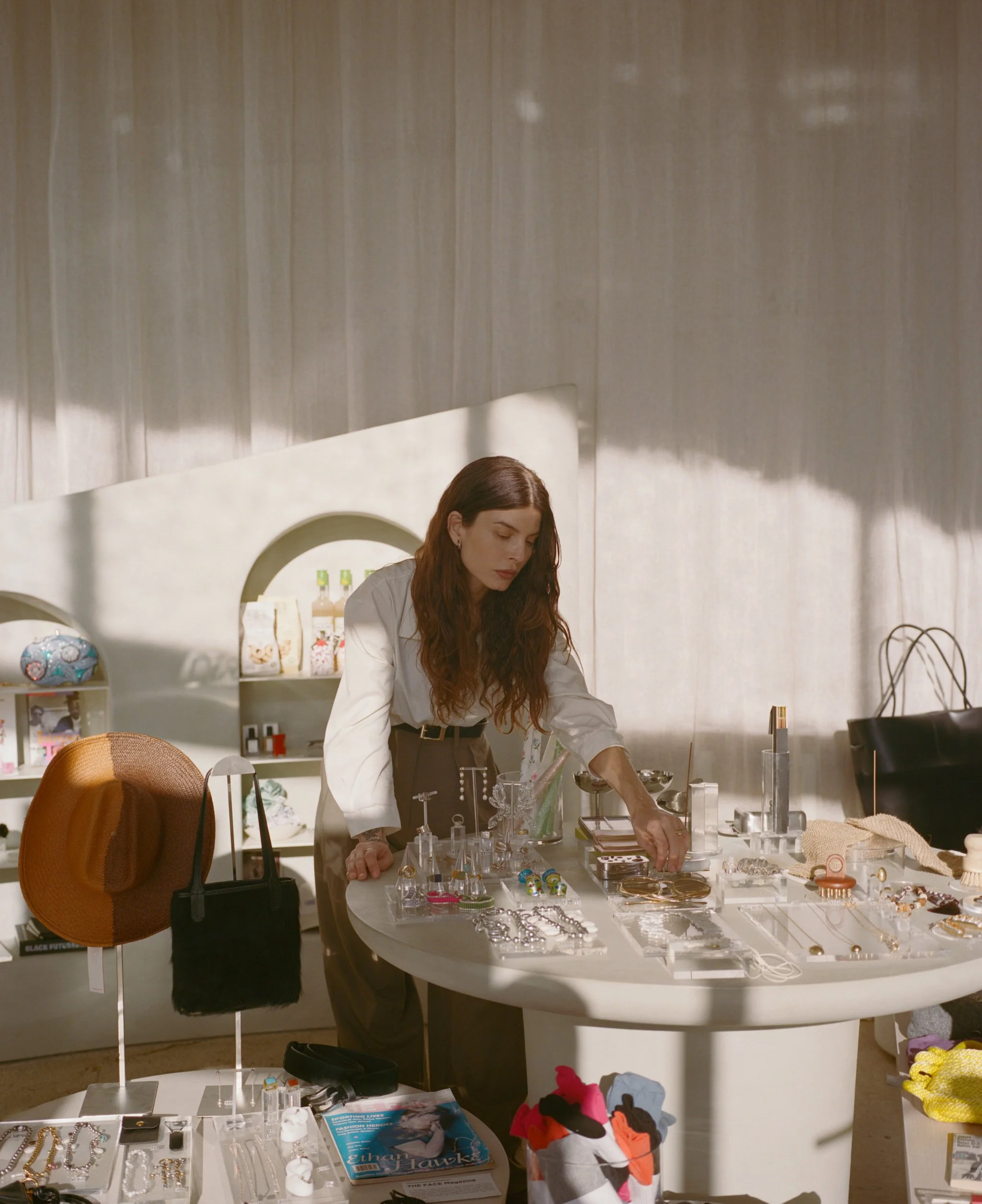
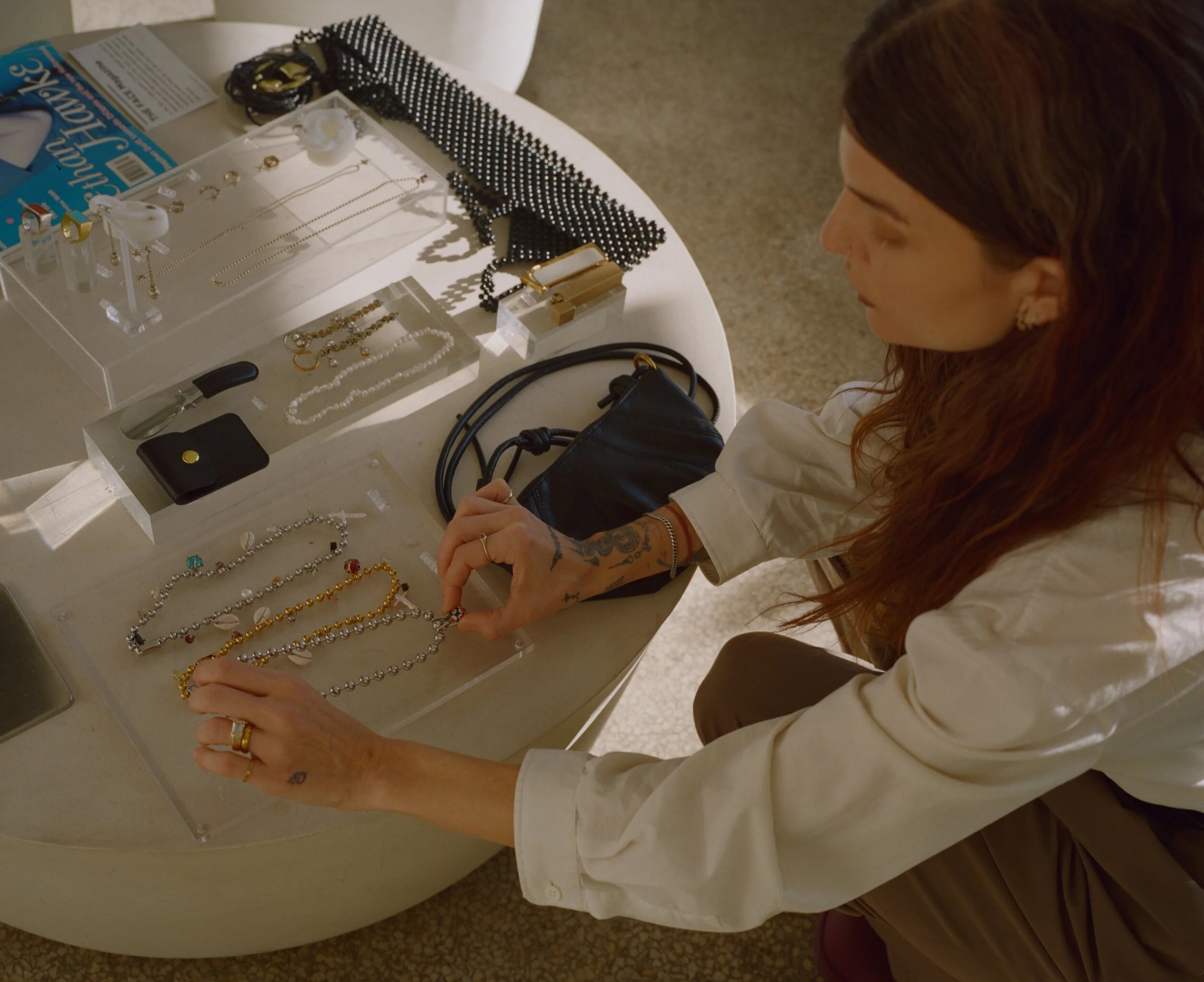
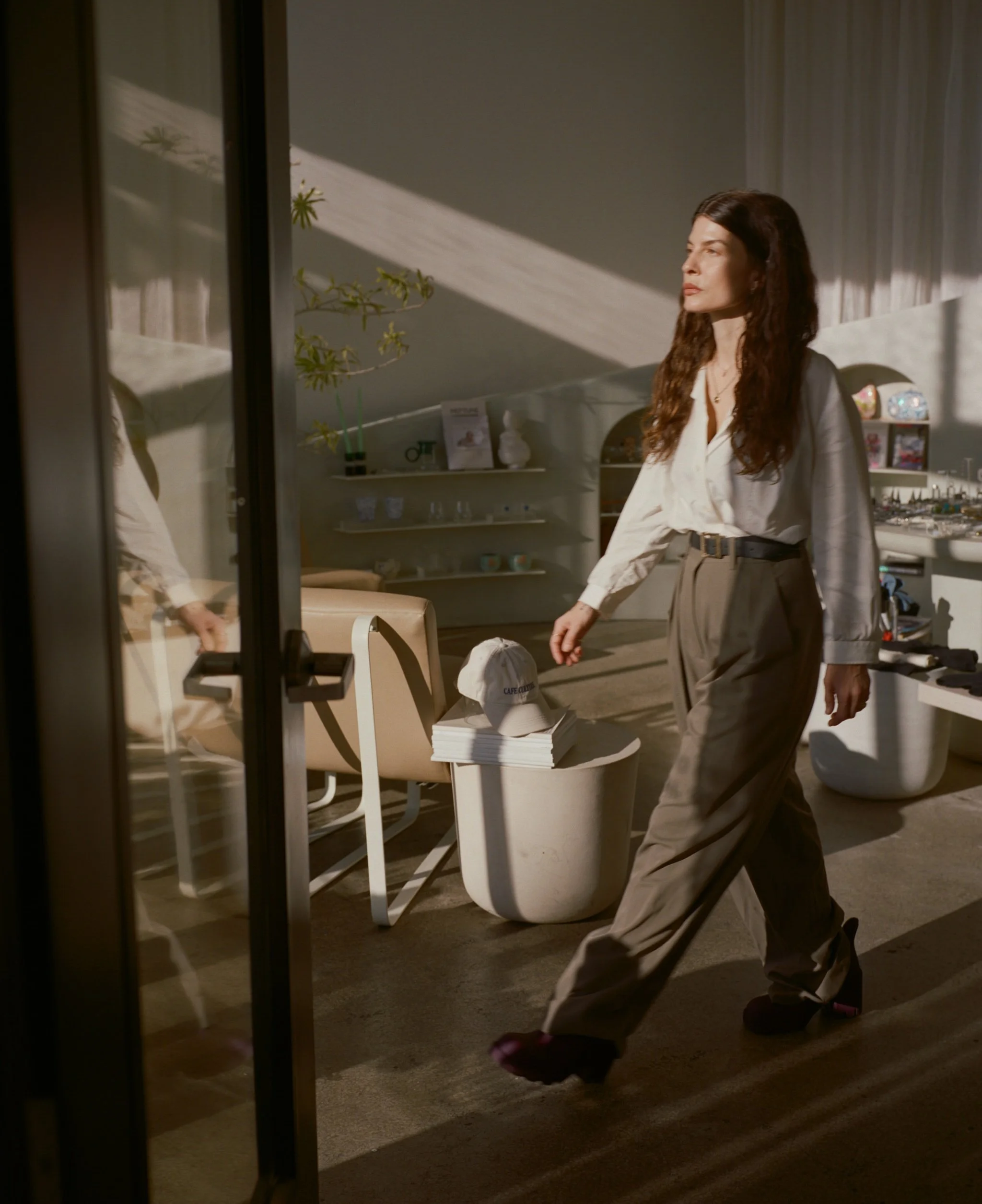
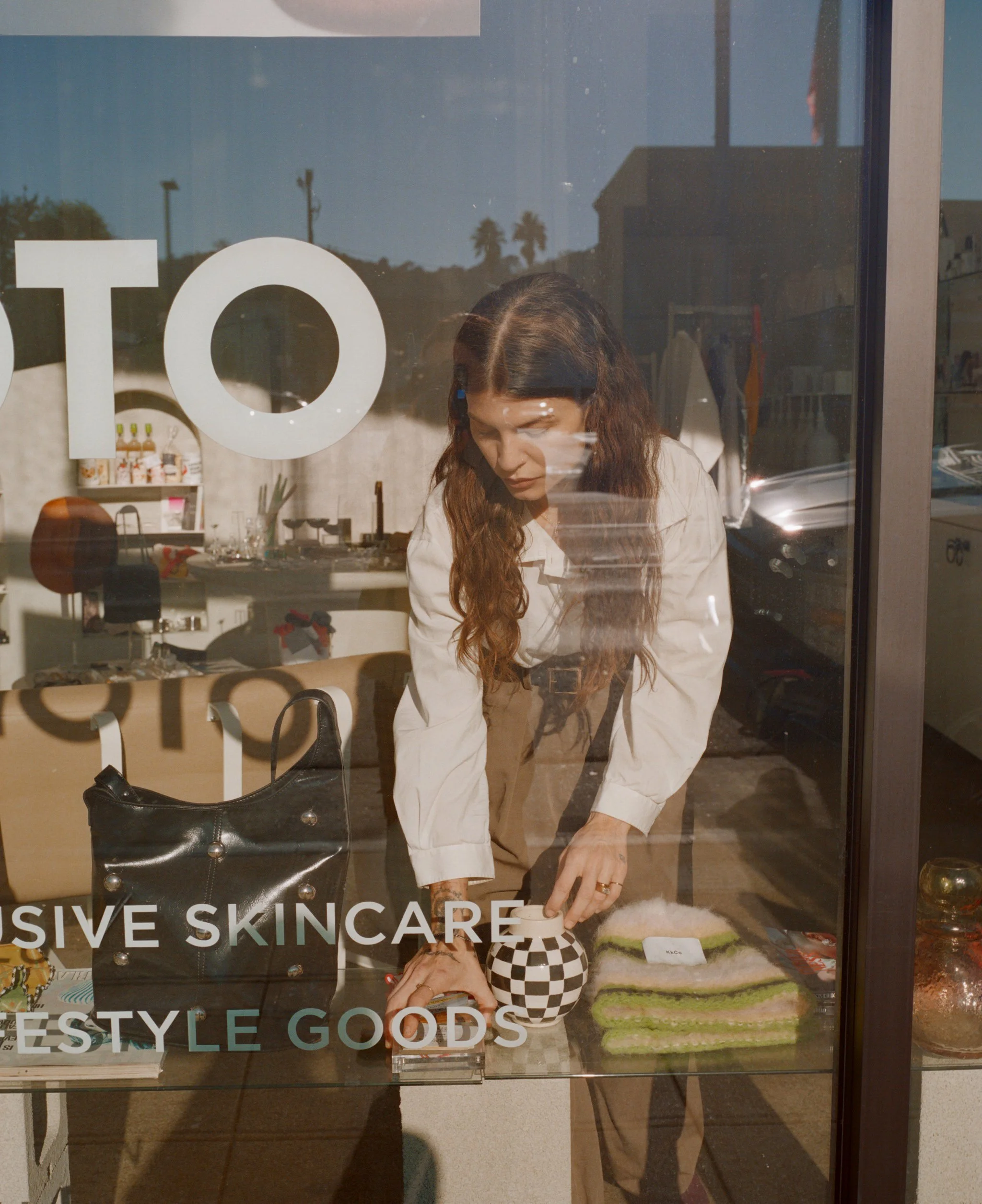
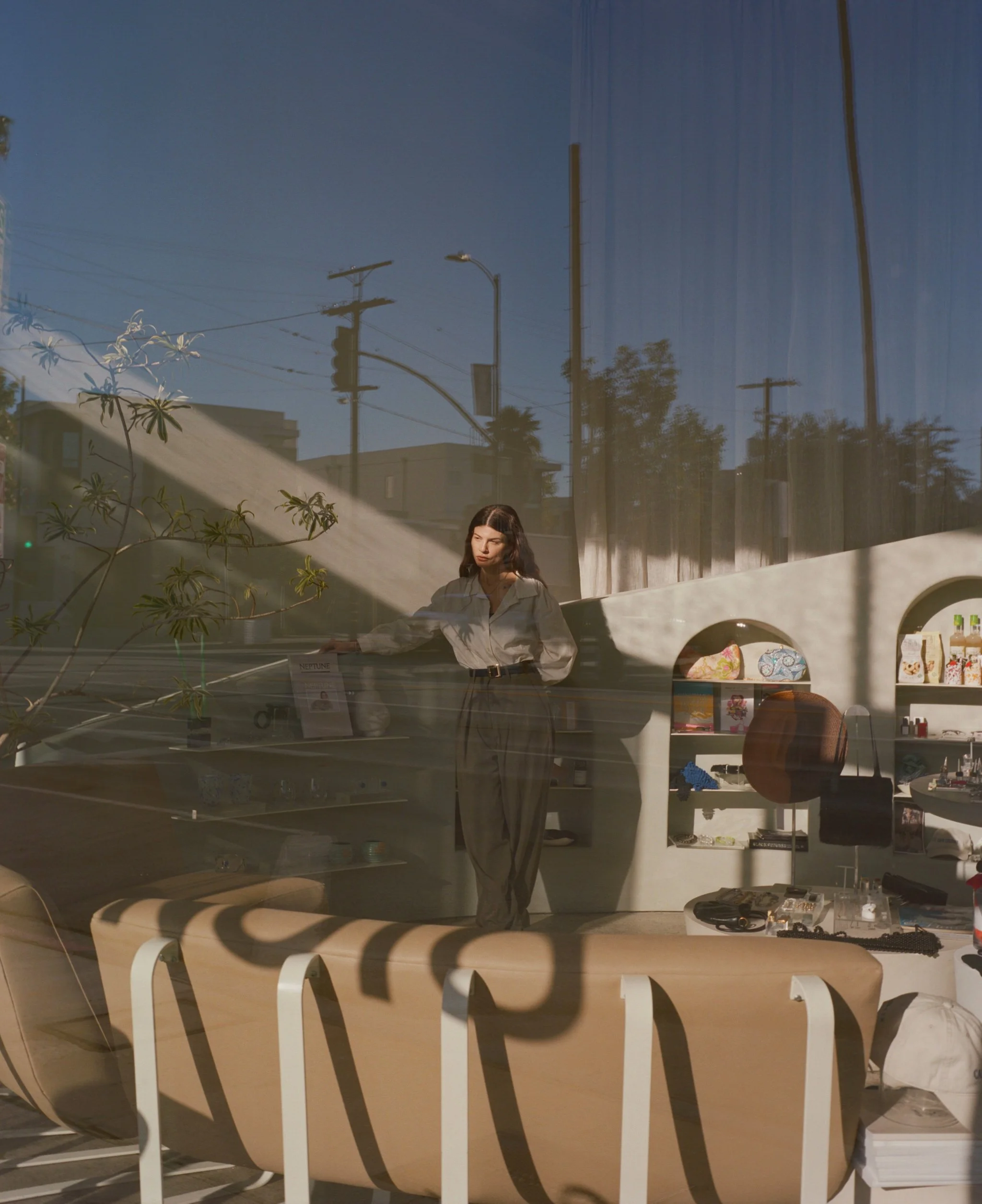
Gloria Noto, NOTO flagship store, Highland Park, Los Angeles.
Gloria Noto is one of those rare people who feels like a creative force of nature. They didn’t just build the beauty brand NOTO - they live it. Whether they’re developing products, making ceramics, designing apparel through NOTO Studio, or hosting workshops and community gatherings, their life seems to move through creativity in many forms. I’m always amazed by how much they hold and how deeply they commit to the things they care about.
It had been years since we last sat down together. There was a time when we would meet often at coffee shops and talk about everything — work, life, ideas, the in-between moments. For a while I was in London, and by the time I moved back to Los Angeles, their store was suddenly just down the street from our home. Funny how distance can still happen even when you’re physically close. Life had changed for both of us — I got married, and Gloria met their wife, Azsa West. Now they split their time between Los Angeles, Portland (where they’re opening a second NOTO flagship), and Puglia, Italy, a place that connects deeply to their roots. This conversation felt like a small return to something familiar, and a way to replenish a friendship I’ve missed.
Behind Gloria’s intense eyes is a softness that reveals itself slowly. They’re someone who loves deeply, but you have to meet them with the same openness and honesty to really see it. Talking with them reminded me how much of their work — and their life — comes from feeling first: memory, ritual, community, and the act of making something with care. In many ways, their world is about building beauty on their own terms.
We spoke about where they come from, the path that led them into beauty and art, and the purpose behind NOTO. And somewhere in between all of that, we found our way back into conversation again. Here is our interview.
Let’s start at the beginning. When you were a child, did you always imagine yourself in the world of beauty? What did young Gloria want to be when they grew up?
Yes and no. I didn’t grow up around the idea of “beauty” as an industry. I didn't even know it could be a real creative job until I was about 19 or 20 - but I was surrounded by beauty. Both my mother and my sister would dress up, layer on the makeup, do the hair...and just about every other Italian woman I knew did the same. I would sit and watch my sister layer on the dark brown lip liner in the 90's and be both confused and in awe of the process, the transformation. When I started growing up, I wanted to be everything they weren't. I didn't want to do traditional beauty, I went in the goth and punk direction. Making myself as weird as possible. But still, learning makeup and beauty skills in a more creative and unexpected way. I was also obsessed with fashion tv. it was a fun channel in the 90s and y2k's. All runway shows . I was obsessed. I just didn't know that being a makeup artist was an actual job. Taking all of that experience into my actual makeup career and the way I see things. As a kid, I wanted to be an artist. I was always drawing, making little worlds out of whatever was in front of me. Painting, writing poetry. I went to art school but quickly dropped out after I realized I wanted to be a makeup artist. I never imagined that the world of beauty could hold the same creative and emotional language that art does — until I started to build my own version of it.
“I didn't even know it could be a real creative job until I was about 19 or 20 - but I was surrounded by beauty.”
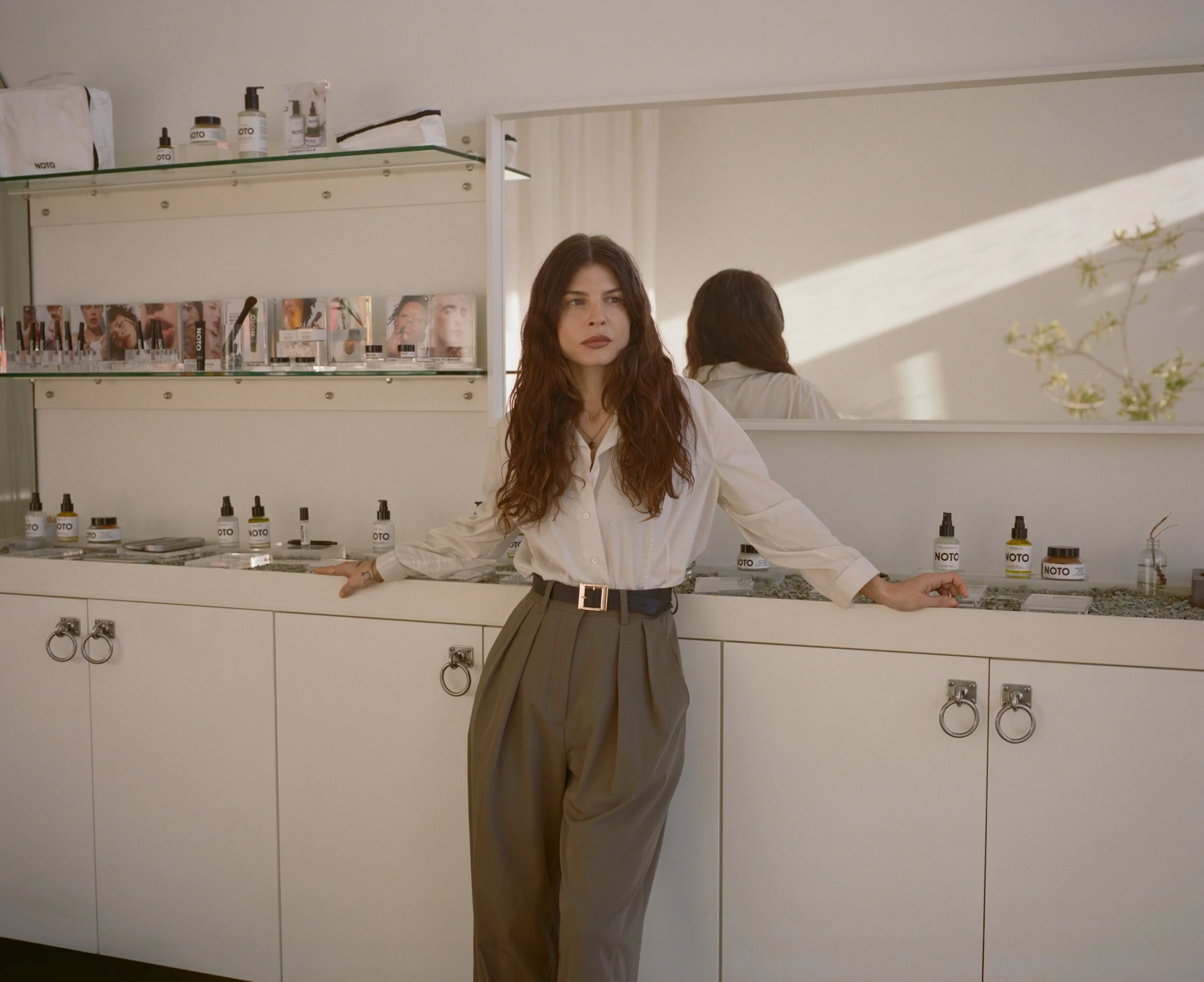
“I never imagined that the world of beauty could hold the same creative and emotional language that art does — until I started to build my own version of it.”
You’re a first-generation American in a Sicilian family who grew up in Detroit, and lately you’ve been reconnecting with that heritage in a new way. Between frequent visits to Italy and spending time in your second home, Casa Mio in Puglia, it feels like you’re bringing a part of your childhood roots into your present. What was your childhood like, and how have those early memories or family rituals shaped who you are today?
My childhood was not a good one. It was disruptive, unstable and very abusive. My parents are both immigrants and I am not so sure being good parents was something they understood. However, both of my parents were very creative in their own right. And both worked for themselves in creative fields. I think that showed me that that type of way of being was possible. For a long time, I tried to run away from my heritage...over the last ten years, I have wanted to recreate what that connection looks like on my own terms.
Being in Italy now, I see how much of that has always been in me: the ritual of doing things slowly, the way everything revolves around food, conversation, and beauty without vanity. My house in Puglia feels like a circle closing — it’s where I get to integrate that old-world energy of my ancestors with the life I built for myself in LA.
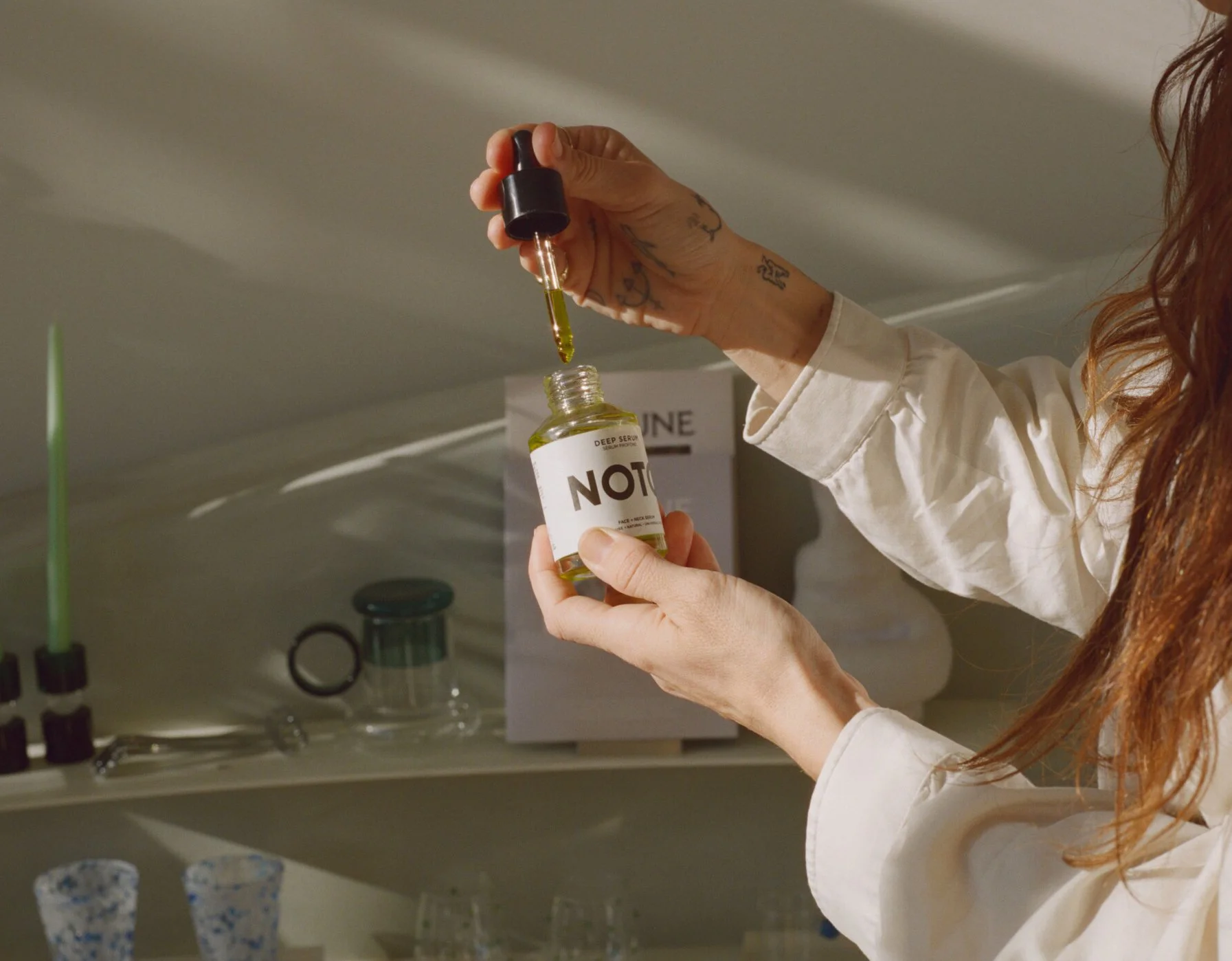
You went to art school, and at some point, that creative energy flowed into makeup and hair. Was there a specific moment—or maybe a feeling—when you realized this was your path?
Yes! I was working the register at a thrift store, and someone brought up these Kevin Aucoin books to be put away. I started flipping through the pages and my life flashed before me. I had no idea you could do makeup like that, on photoshoots, on set, for campaigns and fashion. I was young, I knew how to do makeup well, and I just knew I could make this a real career for myself. I stole those books, haha...I still have them. And I dropped out of art school the following year.
“I started flipping through the pages and my life flashed before me.”
How did you get your start in the industry? Was it through formal training, or or was it something you learned along the way?
Completely learned along the way. Once i knew I wanted to do this for real, I started producing, styling, makeup and hair'ing, finding whatever decent photographer I could in Michigan, finding whatever decent models I could find, and setting them up. I worked on a lot of suicide girls in the beginning, because that was sort of the only "models" I knew in my community. I said yes to everything. And made whatever I couldn't find happen. There was no safety net, no formal mentorship. I just learned by messing up, trying again, and showing up. Then I decided it was time to get out of Detroit and go to the big city. I decided on LA and eventually, that led to working on bigger shoots, editorials, and campaigns. It was the long, scrappy route — but that’s always been my favorite one. I signed with my first agent less than two years into moving to LA at 24, and by 26/27 I was signed with one of the biggest agencies at the time called Jed Root, which ironically was also Kevin Aucoin's agent. I was a full circle magic moment for me .
“I said yes to everything. And made whatever I couldn’t find happen.”
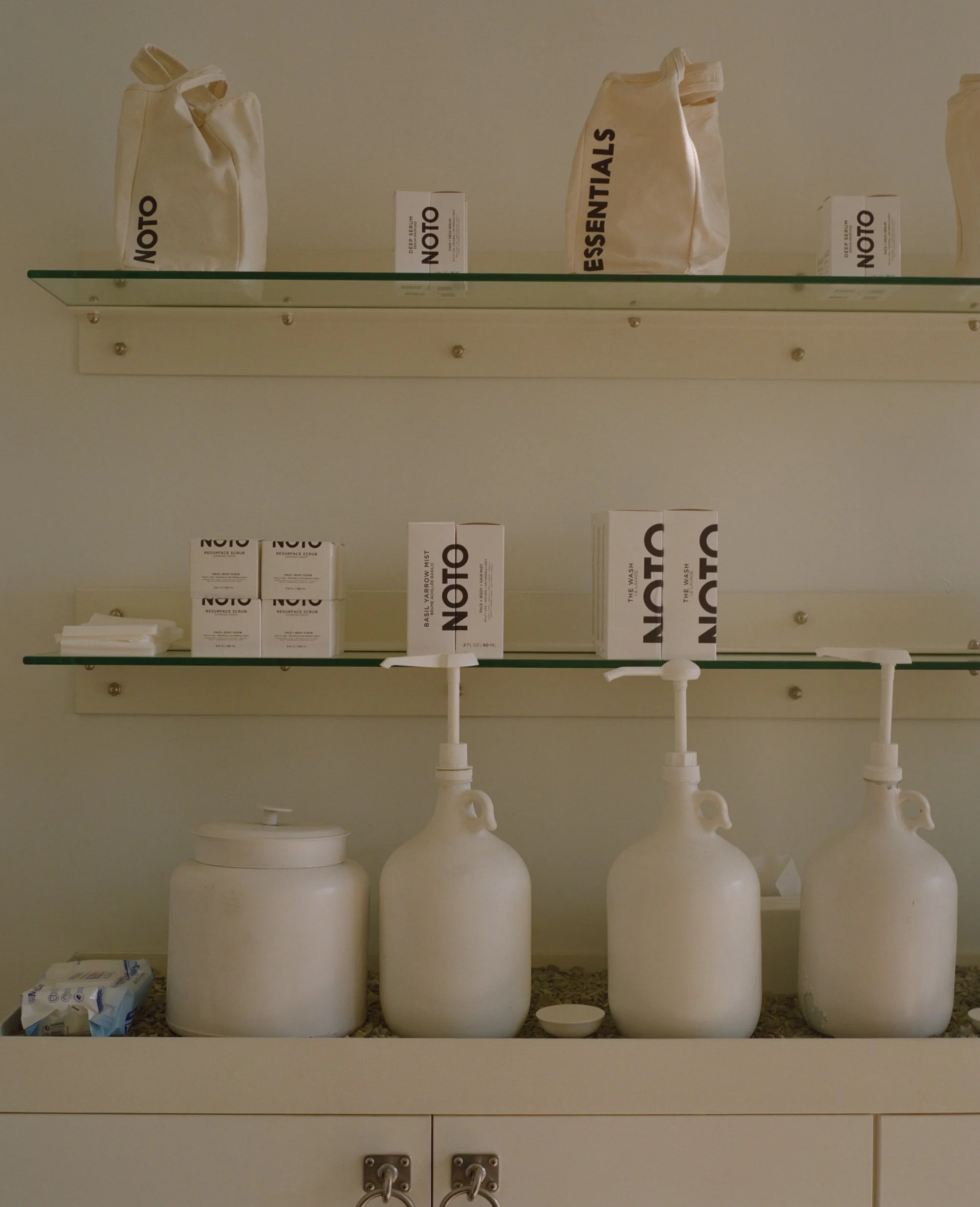
Let’s talk about Noto. When you first started Noto, was there a feeling you wanted people to have when they used it—something that didn’t exist in beauty yet?
Yes — I wanted people to feel *seen*. Beauty at the time was about perfection and excess. I wanted NOTO to feel human. Inclusive before it was trendy. Genderless before it was marketable. Clean without being sterile. I wanted it to be about sensuality, ritual, and care — not performance.
“I wanted people to feel seen.”
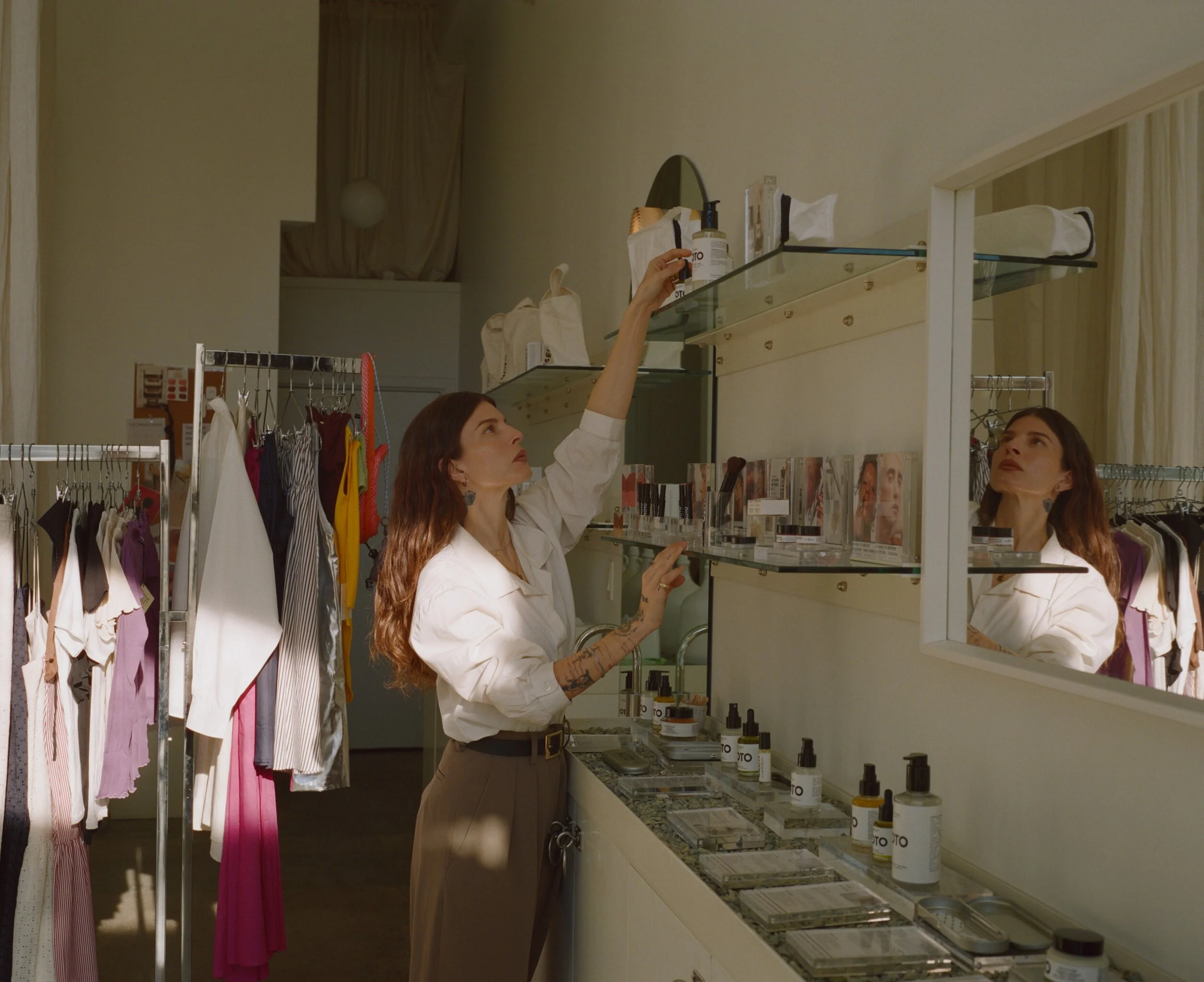
Can you take us back to those first days in your Silverlake kitchen—surrounded by little jars of lip and cheek stain tints, mixing oils and testing formulas, and watching your friends’ reactions as they tried them. What was it like turning an idea into a real business?
It was chaos — but the good kind. My kitchen looked like a science experiment. Oils everywhere, pigment stains on the counter, my friends dropping by to test whatever I’d made that week. There was so much joy in that period because it wasn’t about business yet — it was about play and curiosity. When people started asking to buy it, that’s when I realized: oh, this could actually be something. It was terrifying and thrilling in equal parts.
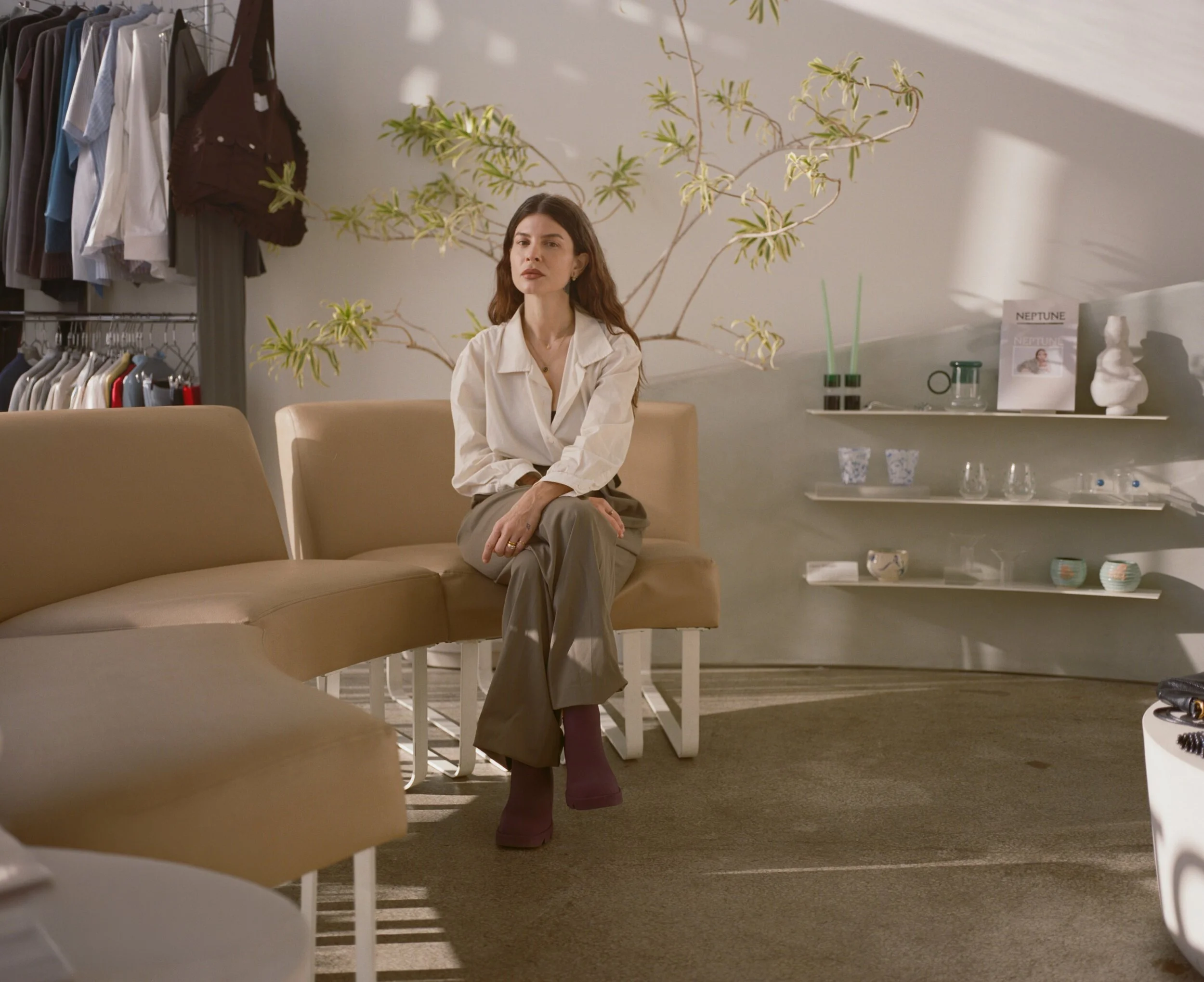
We’ve known each other for a while, and Noto really feels like an extension of you—the honesty, the curiosity, the aesthetic. I’ve loved watching how far it’s come. You started so small, experimenting in your LA kitchen, and I still remember spotting your products in UK stores when I briefly moved to London in 2018. Seeing that growth unfold was incredibly inspiring. Looking back, what do you think has been key to that growth? Were there specific people or turning points that shaped the journey?
The biggest key has been staying honest — even when honesty meant scaling back, changing direction, or saying no. There were turning points that looked like setbacks at the time — losing a big account, restructuring the team, shifting my focus. But each of those moments made the brand stronger. People like my early supporters in LA, my community of artists and friends — they’re the ones who carried NOTO before anyone else understood what it was.
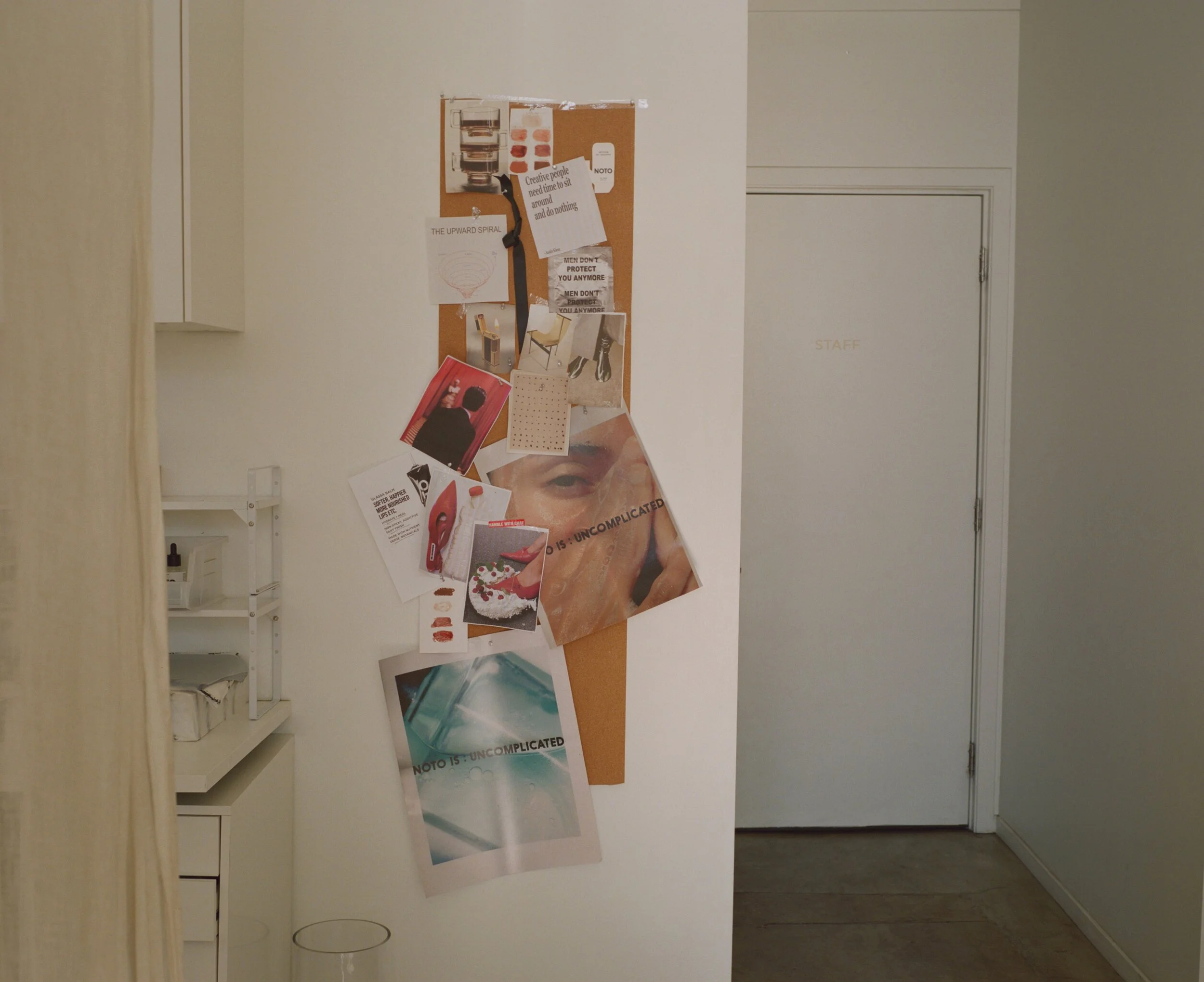
When you’re creating something new—whether it’s a scent, a color, or a whole new line—what usually sparks it? Is it a mood, a memory, a visual? How do you bring that spark into form?
Always a feeling first. Sometimes it’s a memory, like the smell of my wife's skin, or the summers in Sicily, or the way my hair smells after swimming in the sea. Sometimes it’s a mood — a song, a film still, a material. I collect those sensations and then translate them into something tactile. The process feels like alchemy — taking an emotion and giving it a body.
“The process feels like alchemy — taking an emotion and giving it a body.”
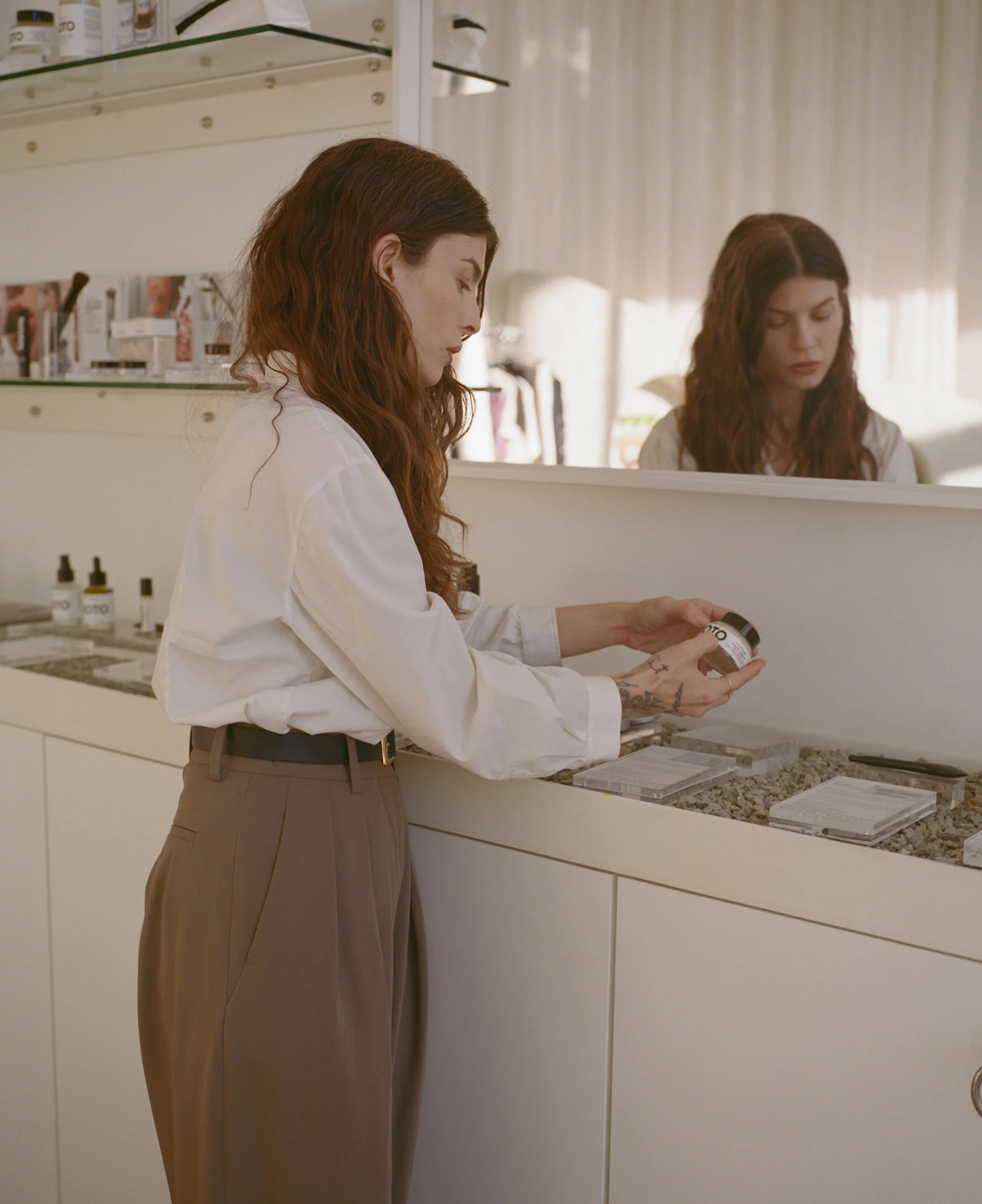
You’re involved in so many creative projects—from Noto and Studio Noto to workshops, gatherings, candles, ceramics, and more. And with only two full-time employees at Noto—one of them being you—it’s incredible how much you manage. With such a full creative life, how do you keep things moving without burning out? Are there rituals or grounding practices that help you stay centered?
I’ve learned to treat rest like work — meaning it’s non-negotiable. I go on long walks, I cook with my wife, I read, I step away. Moving between LA and Portland helps too — the change of pace resets my nervous system. I’ve learned that burnout doesn’t always mean working too much; sometimes it means working out of alignment.
“I’ve learned to treat rest like work — meaning it’s non-negotiable.”
Finding moments to stay grounded while managing so much takes a lot of focus and support. Speaking of support, what’s the kindest thing someone has ever done for you, either personally or professionally, that really stands out?
Honestly, my partner is the kindest thing anyone has ever done for me. They selflessness, care, consideration, and pure love they show me is beyond any kindness I have ever received.
“Connection doesn’t always have to be constant; it just has to be real.”
You seem to have such a tight-knit community around you. With work, creative projects, and personal life all happening at once, it must take extra effort to stay connected—especially in person, not just digitally. How do you manage to maintain those bonds with friends and family and keep your relationships thriving?
Presence. Texting is fine, but showing up — that’s what matters. Dinner at home, a quick coffee, helping a friend move. I’m lucky to have a partner and friends who understand the rhythm of my life. Connection doesn’t always have to be constant; it just has to be real.
For someone with a dream or an idea, what advice would you give about turning it into a business? Are there lessons you’ve learned that you wish you’d known earlier?
“Start small, start weird, and stay consistent.”
Start small, start weird, and stay consistent. Don’t wait for it to be perfect — it won’t be. Learn every part of it, even the unglamorous bits. And surround yourself with people who believe in the version of you that’s still becoming.
With everything you’ve accomplished and built so far, what are the things that make you feel most alive and whole?
Creating without a goal — painting, writing, cooking for people I love. Being near the sea. Working with my hands. Making things. Definitely making things. Those are the moments I feel most myself — when nothing needs to be monetized or optimized, it just exists.
Let’s talk about joy! What’s one thing that brought you joy recently—a book, a movie, an experience, a kind act, a change—something you’d recommend others try as well?
Two of my best friends just got engaged. The whole process has been extremely joyful. More queer joy please !
Finally, looking ahead a decade or two from now, what do you hope your world looks like—personally, creatively, spiritually? Who do you want to be when you grow up?
I hope I’m living full-time in Italy, surrounded by art, plants, and chosen family. Still creating, still learning, still curious. I don’t want to “arrive” anywhere. I want to keep unfolding — just slower, softer, with more sun on my face. I would also love to be running a beautiful shop with amazing things inside and things that I make - that people love visiting, which also has an espresso machine.
“I don’t want to ‘arrive’ anywhere. I want to keep unfolding — just slower, softer, with more sun on my face.”
Discover more about Gloria Noto, their work, and the world of NOTO — from their beauty line to the projects that continue to grow around it — at https://notobotanics.com.
Photography, Words & Interview by Basak Barrett